


A guide to graded cards: PSA, ARS and card condition

01 / TWO SERVICES. DIFFERENT STANDARDS.
Learn to read
the holder.
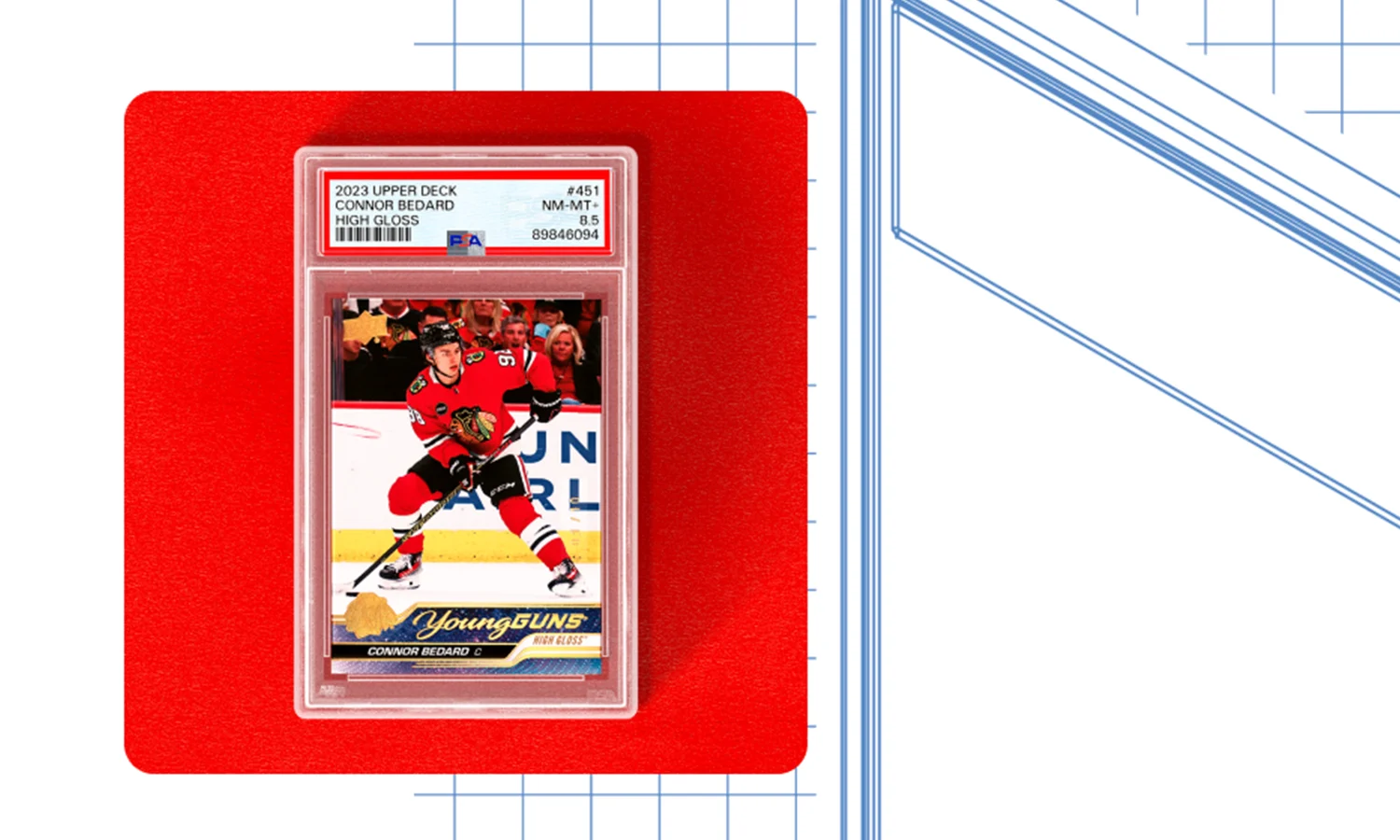
PSA: condition and centering.
PSA’s highest numerical grade, Gem Mint 10, considers corners, focus, gloss, stains and centering. Its published centering tolerance is approximately 55/45 on the front and 75/25 on the reverse. Slight printing imperfections can be allowed when overall appearance is unaffected.
The red-bordered label sits above the card. Check the card description, grade, certification number and any additional notation.
PSA grades, at a glance.
Open each grade to see PSA’s official example: a 1952 Topps Mickey Mantle #311 card at that grade. These reference photographs are not shop listings.
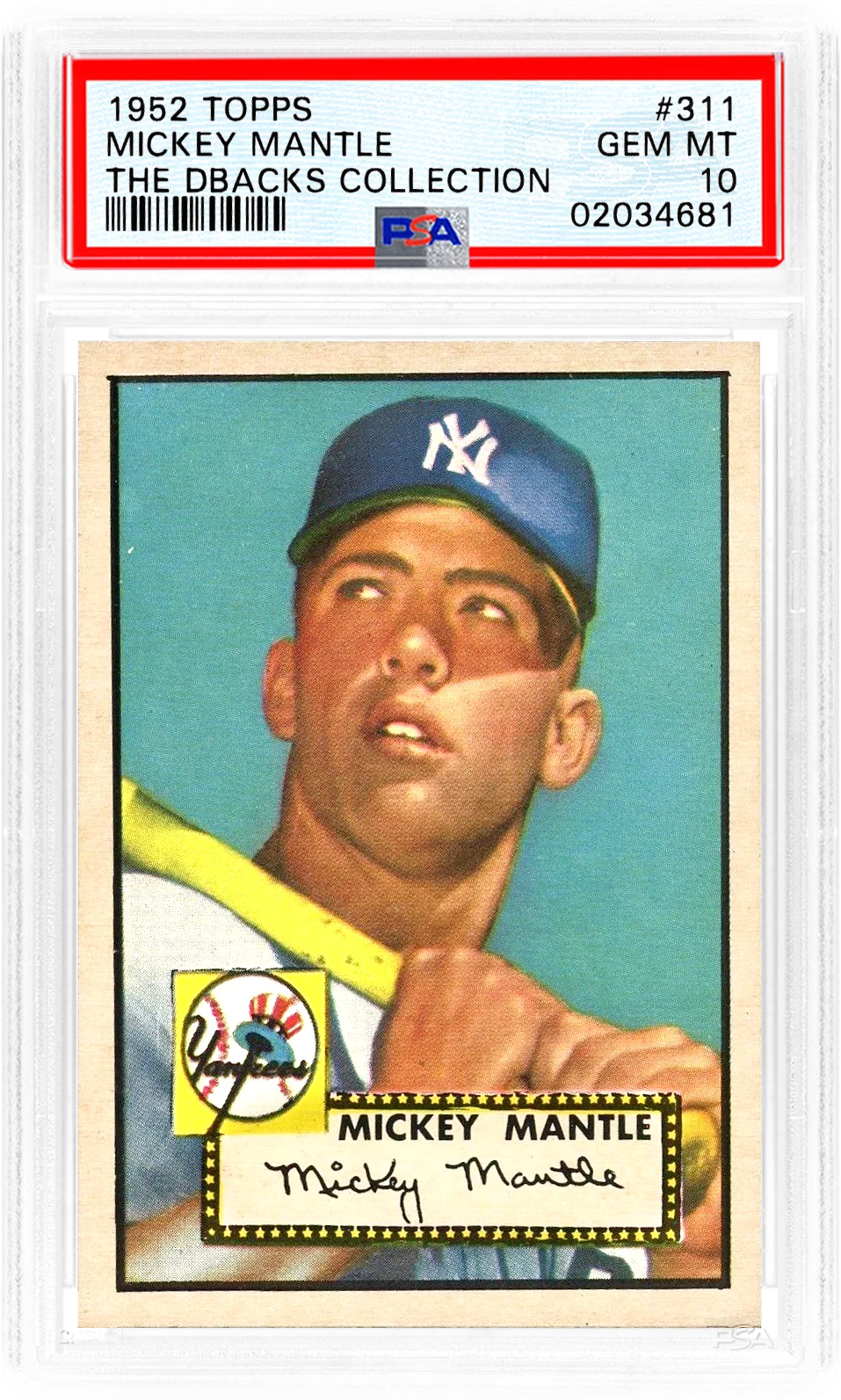
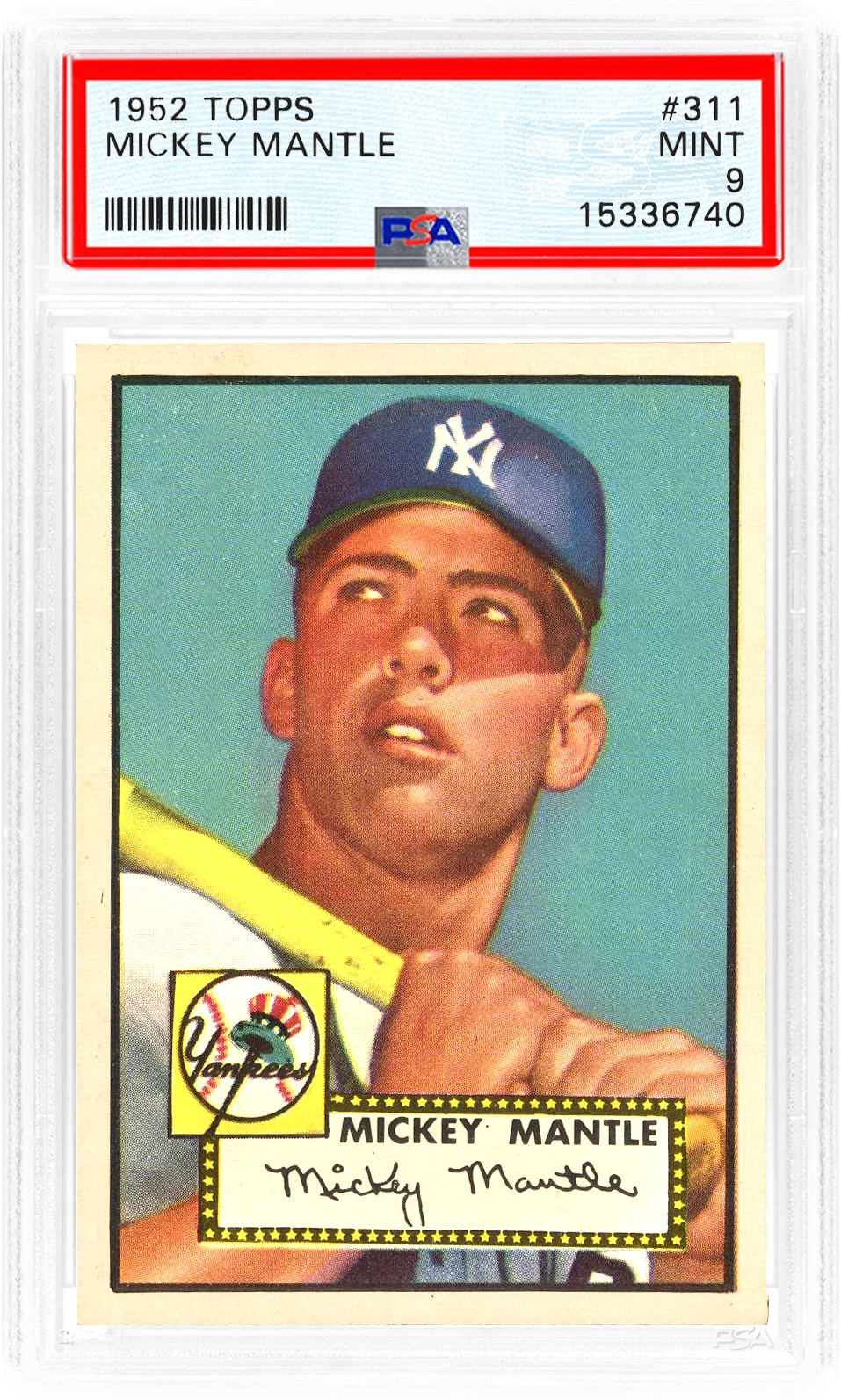
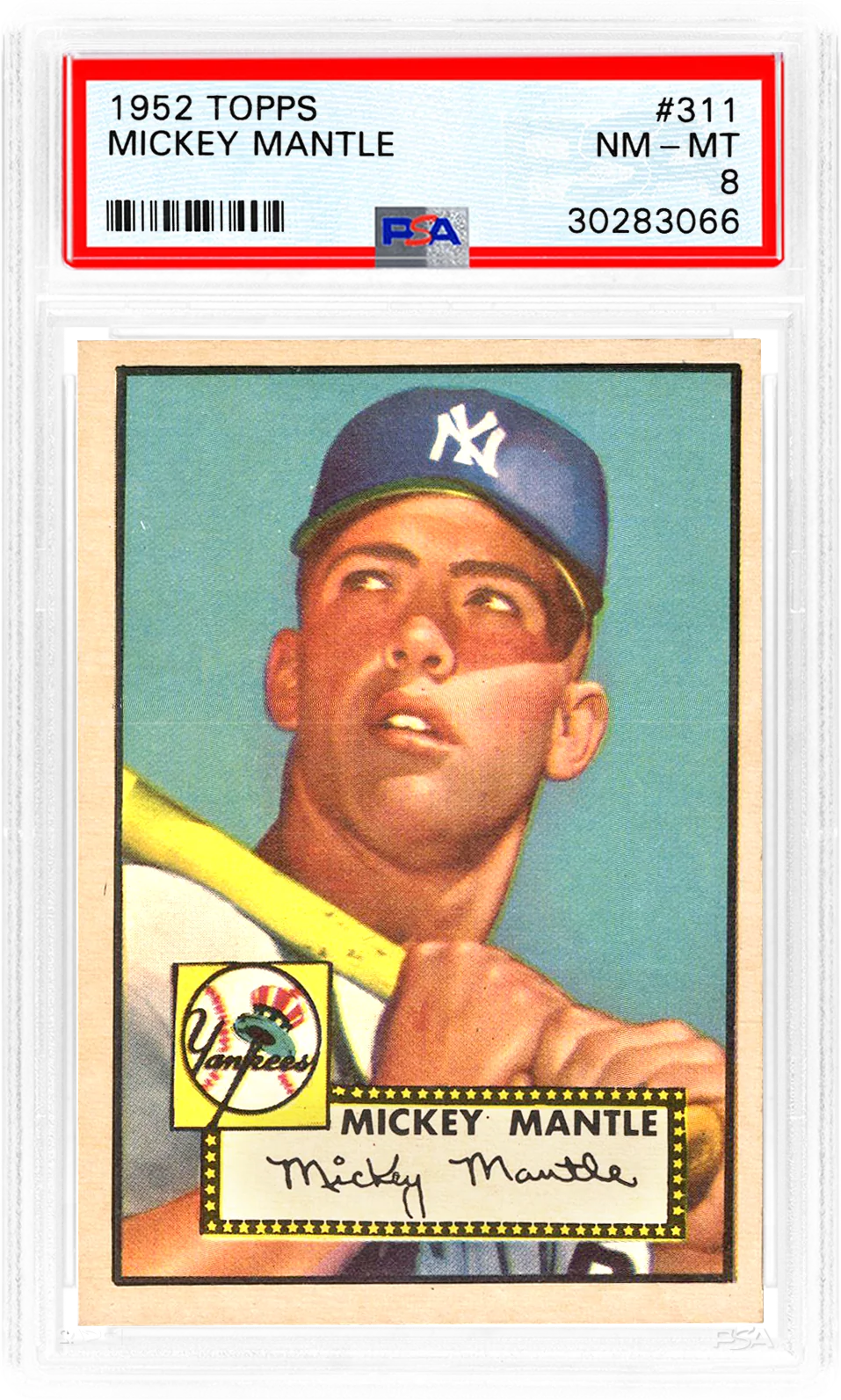
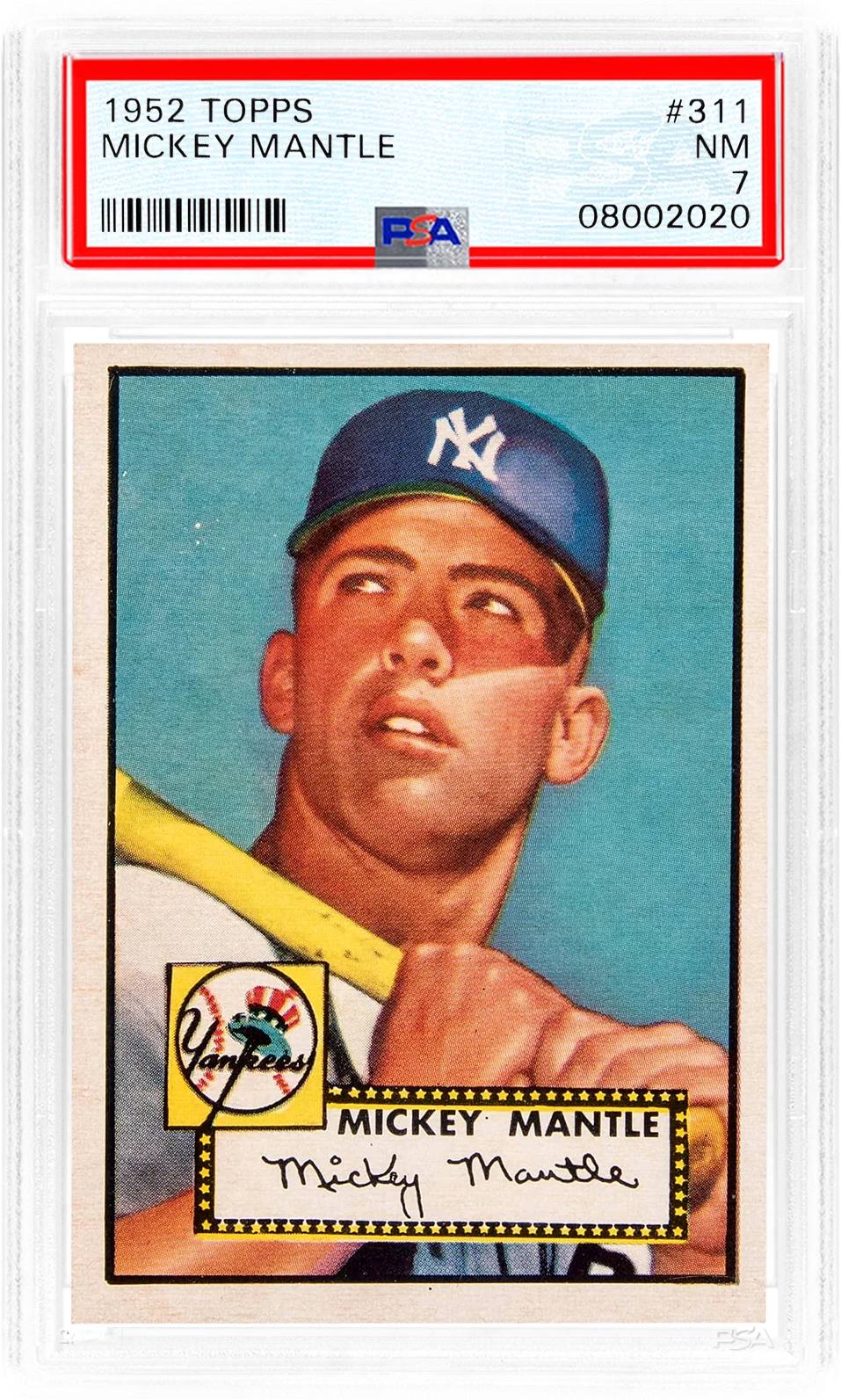
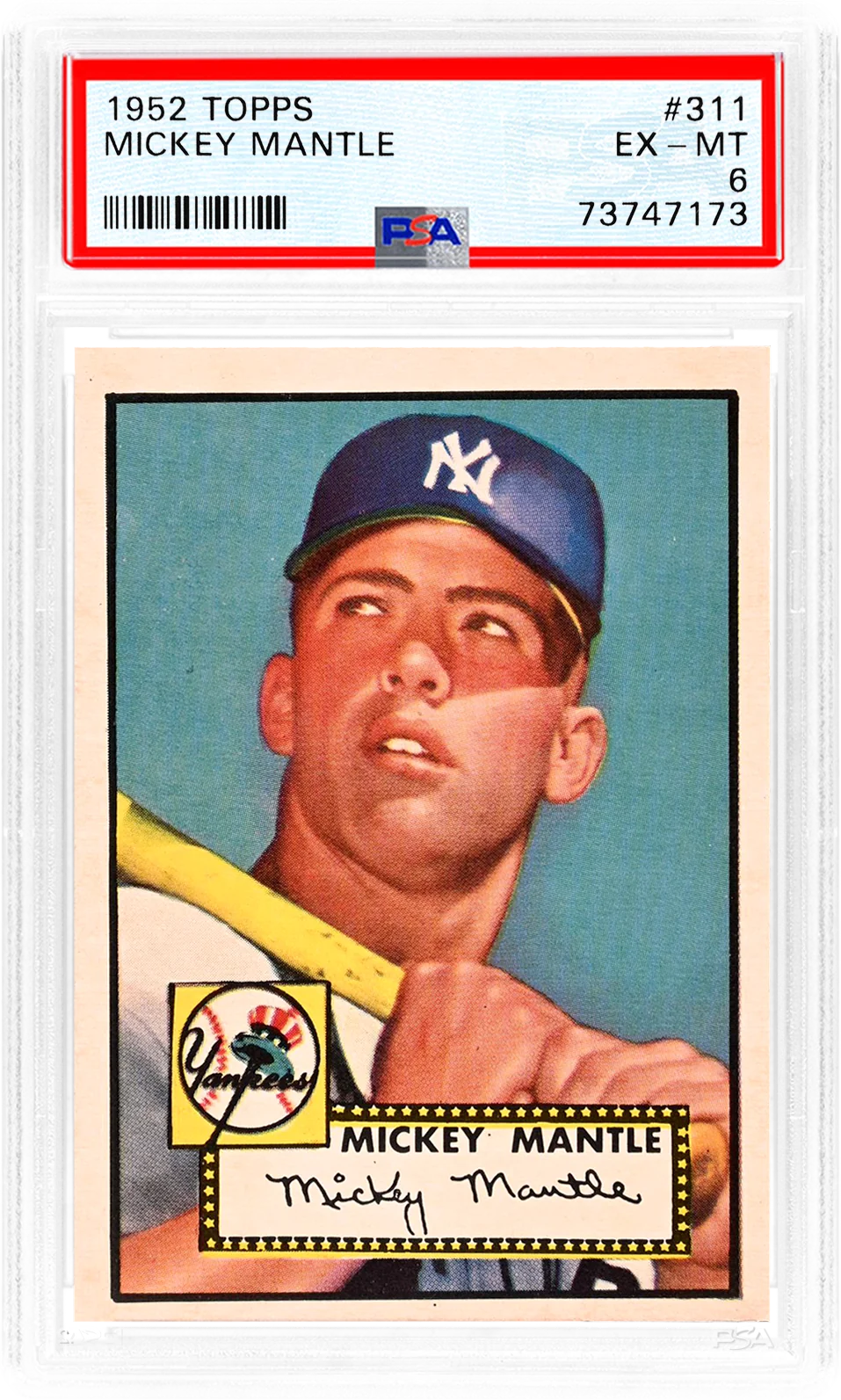
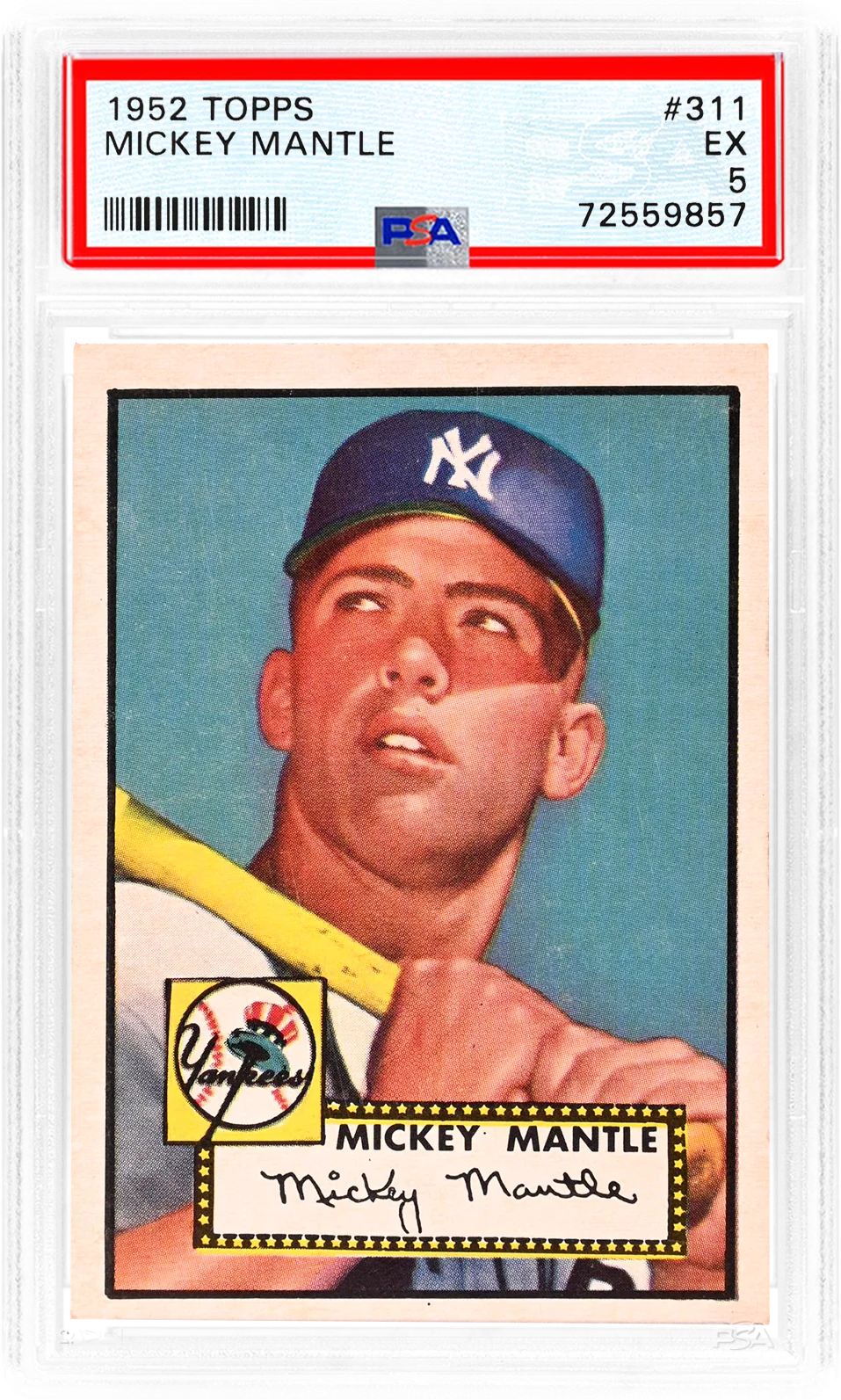
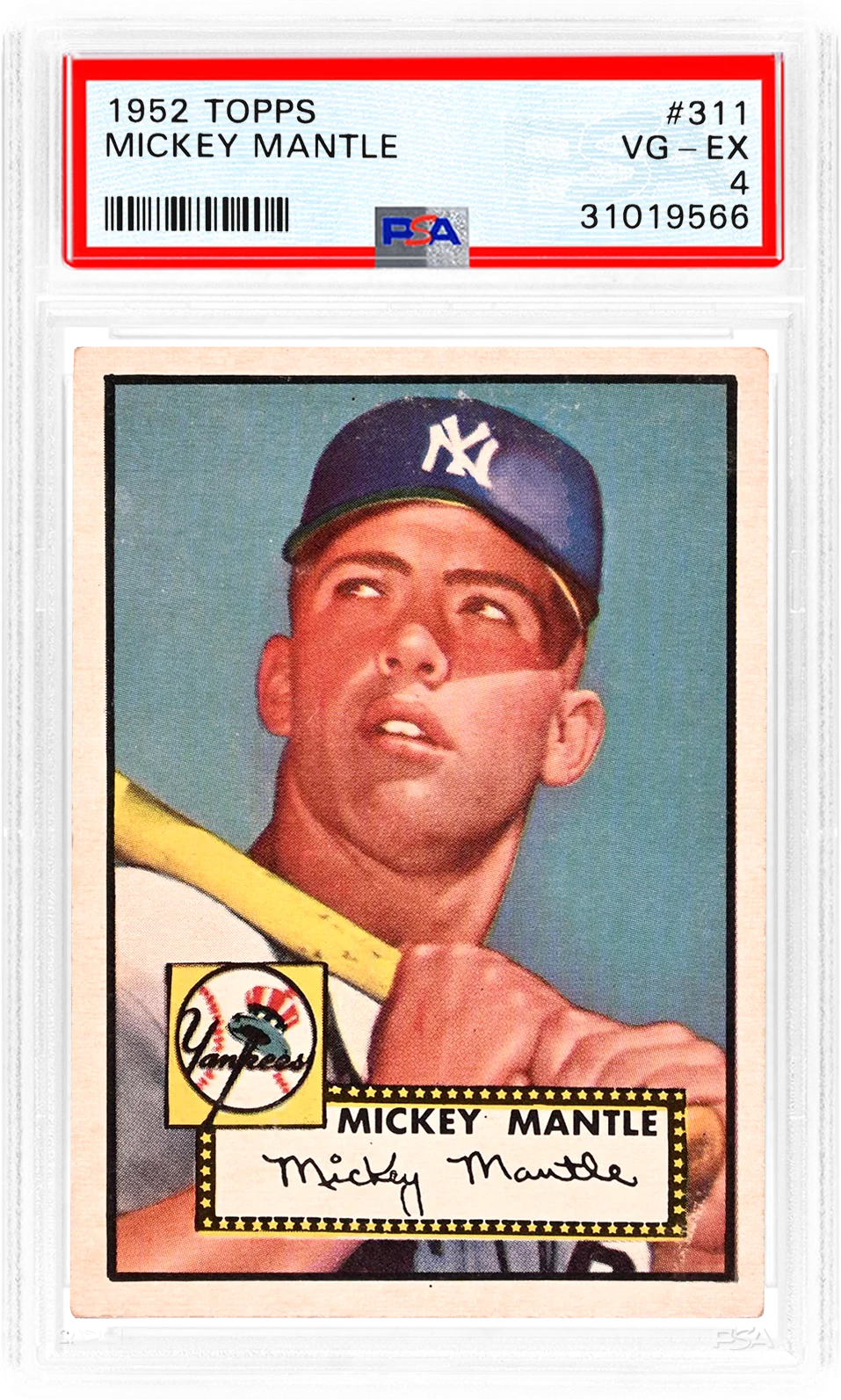
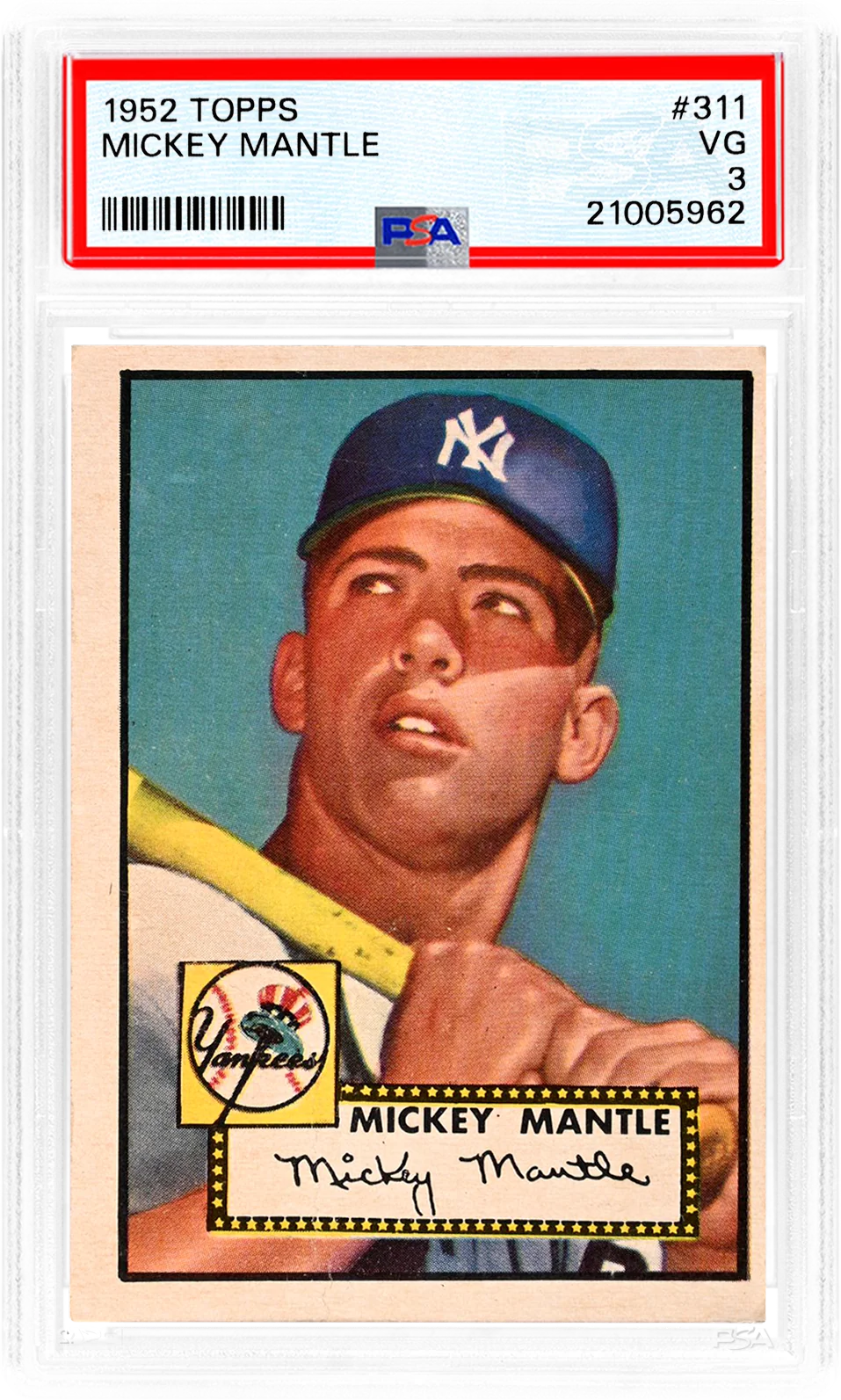
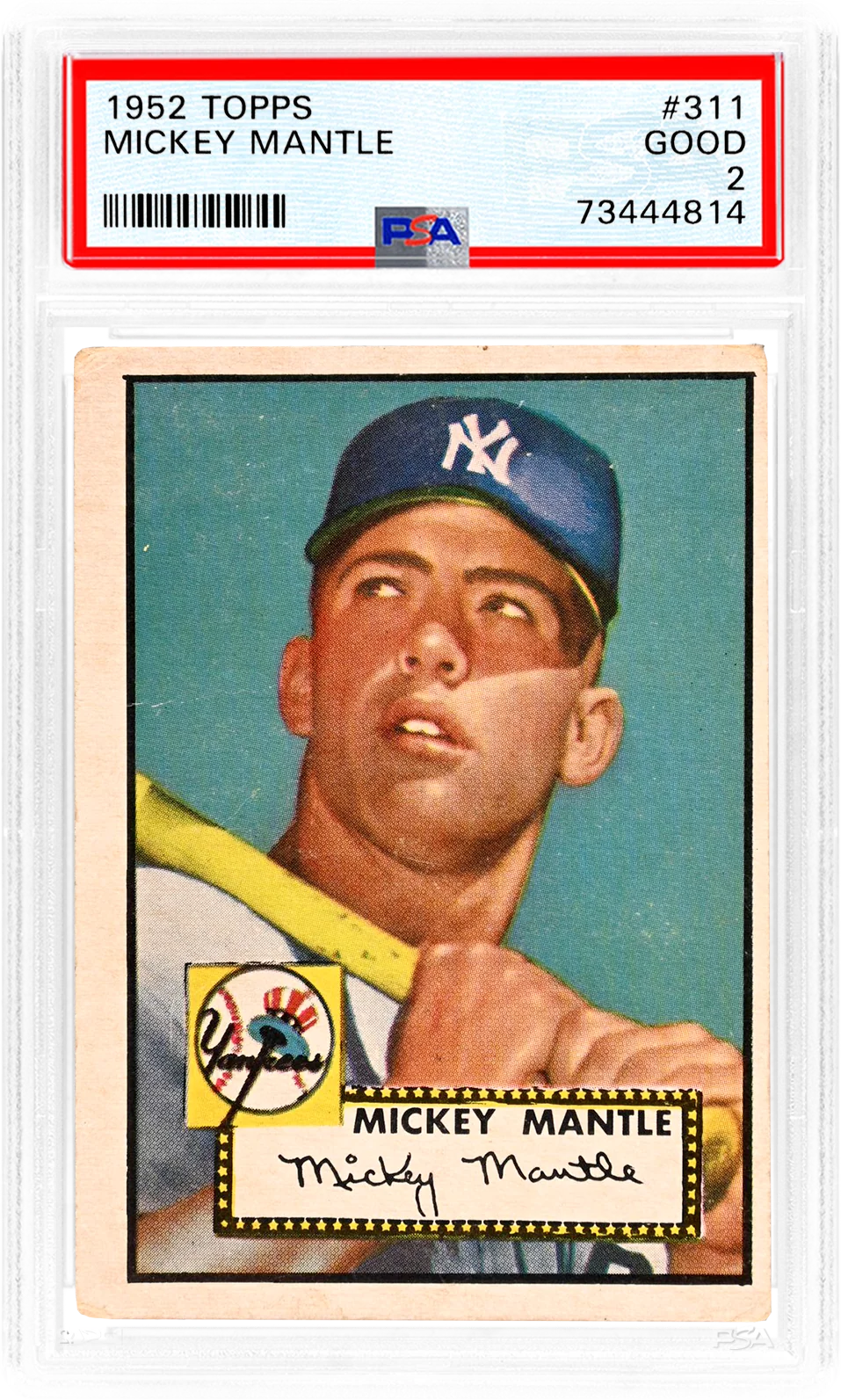
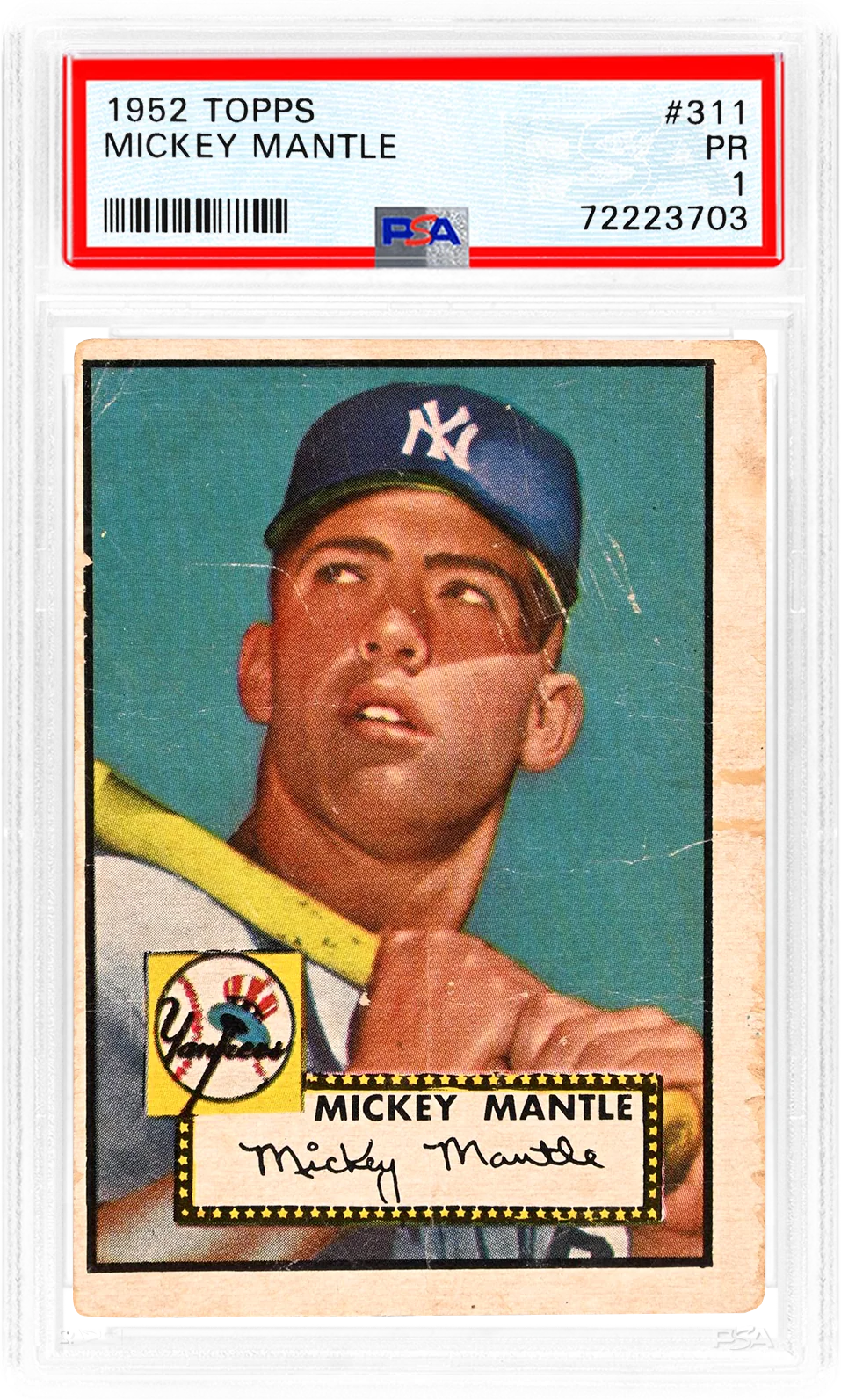
PSA also uses 1.5 and half-point grades. Authentication-only results do not carry a numerical condition grade.

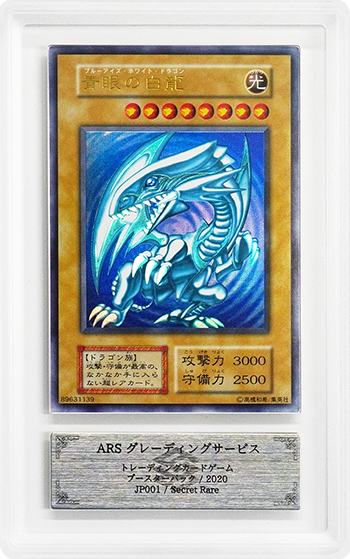
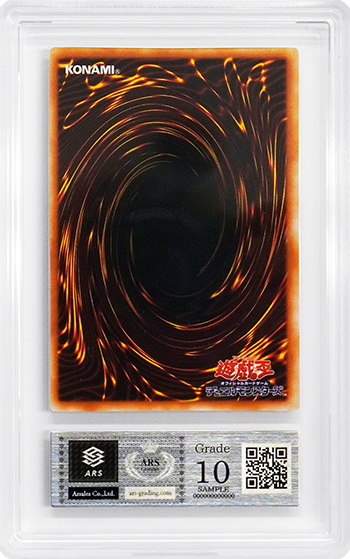
ARS: preservation comes first.
ARS evaluates preservation. Printing alignment, including centering, is excluded from deductions. Grade 10 is perfect or very close; 10+ is reserved for perfect condition. Grade 9 allows very slight scratches or dirt, while 8 covers small or multiple minute defects. Wear becomes more pronounced through grades 7–1. AU records authentication without a numerical grade.
The lower metal caption identifies the card; the reverse carries the grade and verification code. Read special notations alongside the score.
ARS grades, at a glance.
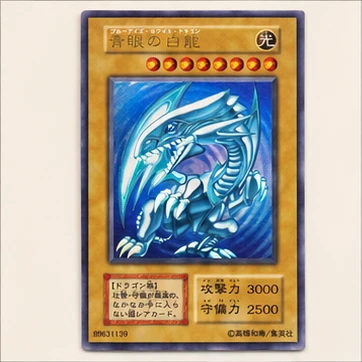
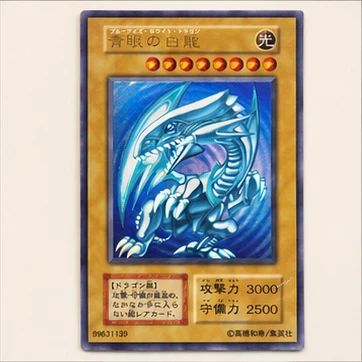
Open each grade to explore its description and a Blue-Eyes White Dragon condition illustration. Simulated images are ungraded examples, not ARS-certified cards or score predictions. Grade 10 includes ARS’s actual official holder example.
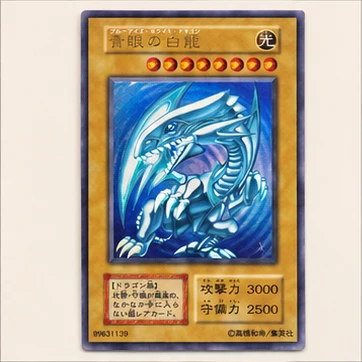
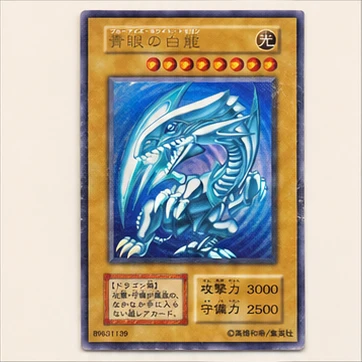
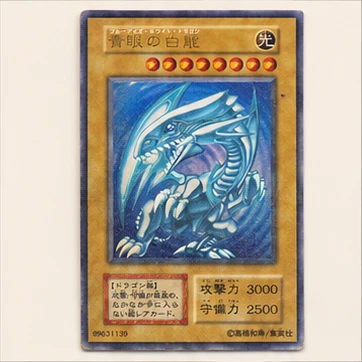
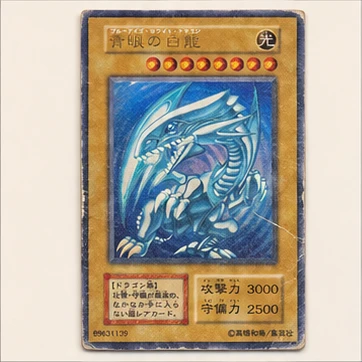
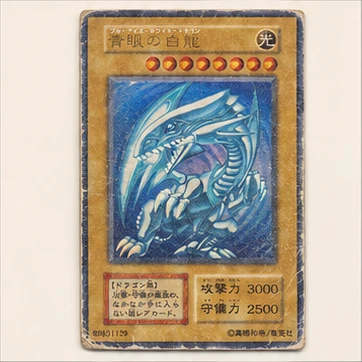
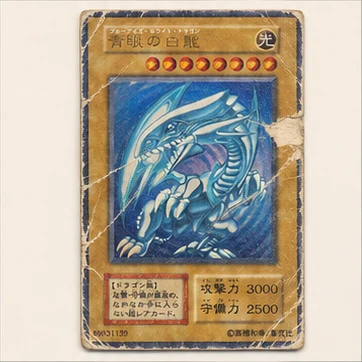
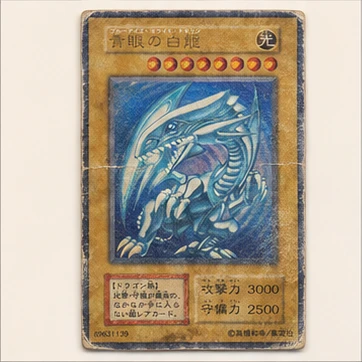
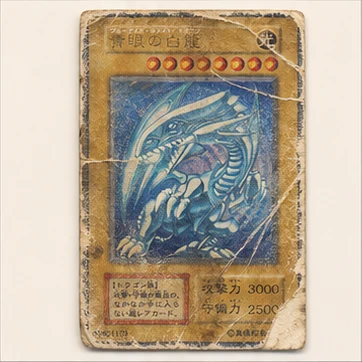
AU means authentication without a numerical condition grade. Printing alignment is outside ARS deductions.
02 / THE COLLECTION
A closer look.
A considered collection.

Explore currently listed PSA 10, ARS 10 and ARS 10+ cards. Check each card’s photos, certification details and availability before choosing.
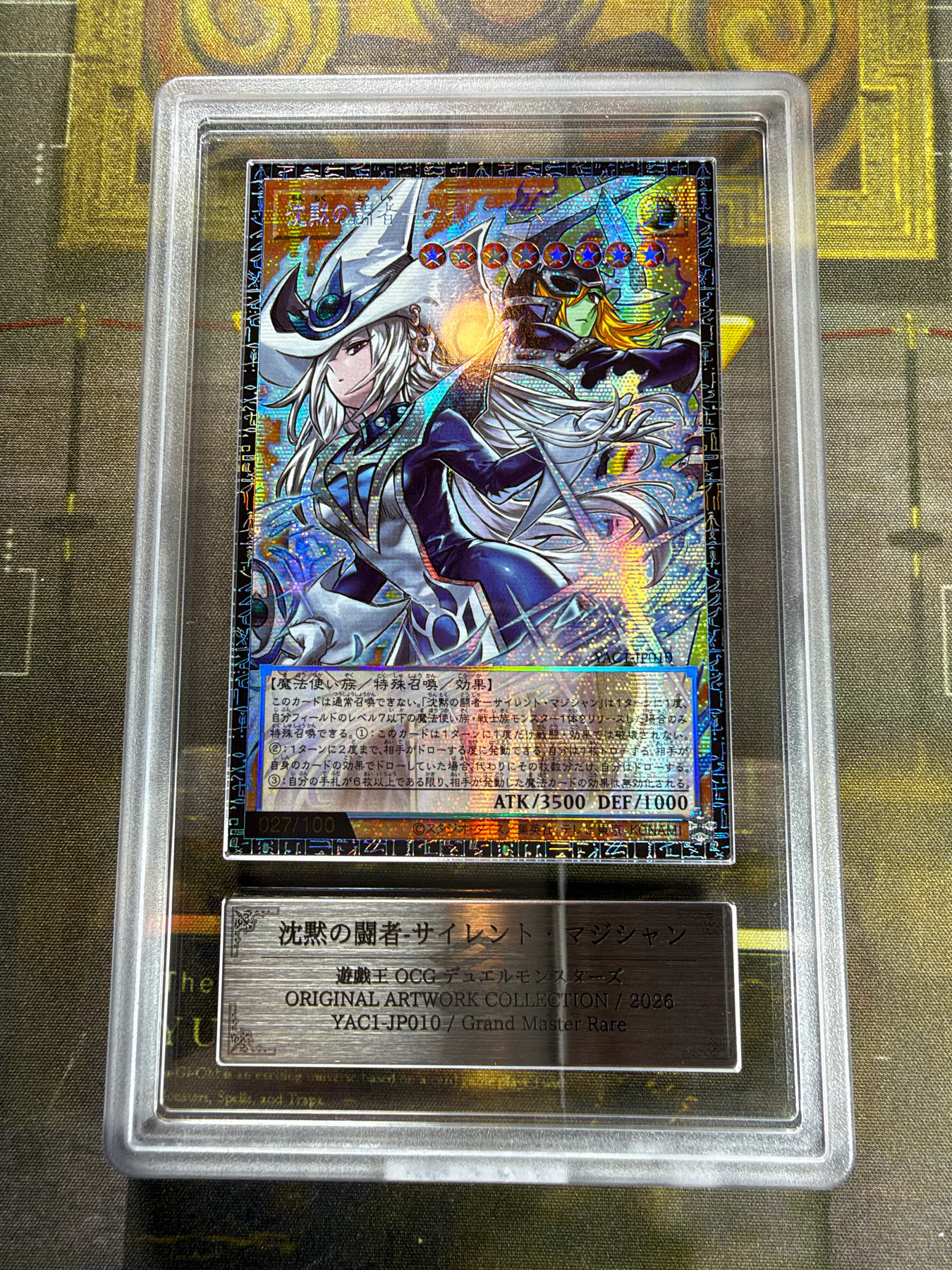
ARS10 Silent Magician – Grand Master Rare (GMR)
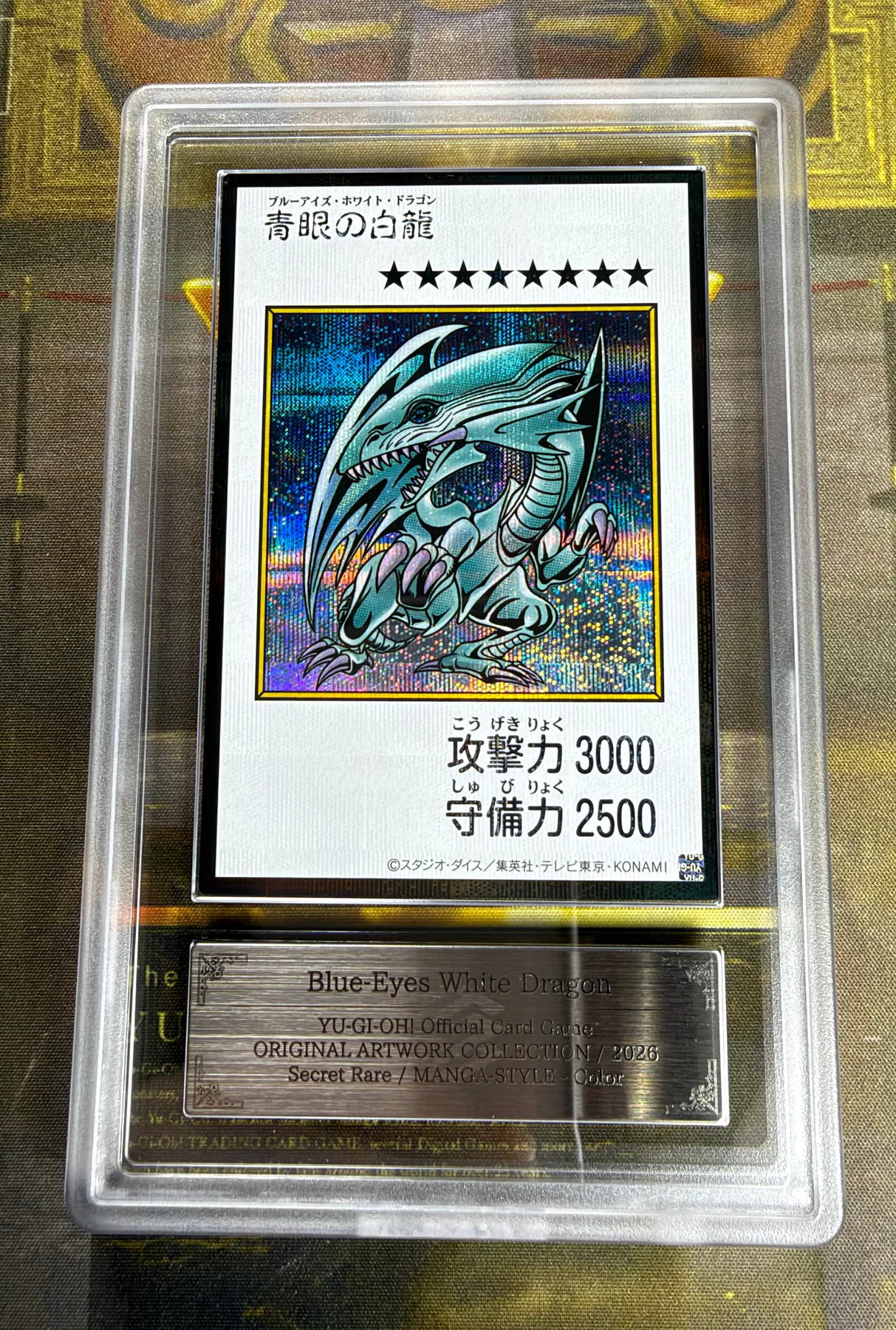
ARS10 Secret Rare / MANGA-STYLE - Color Card Name Blue-Eyes White Dragon
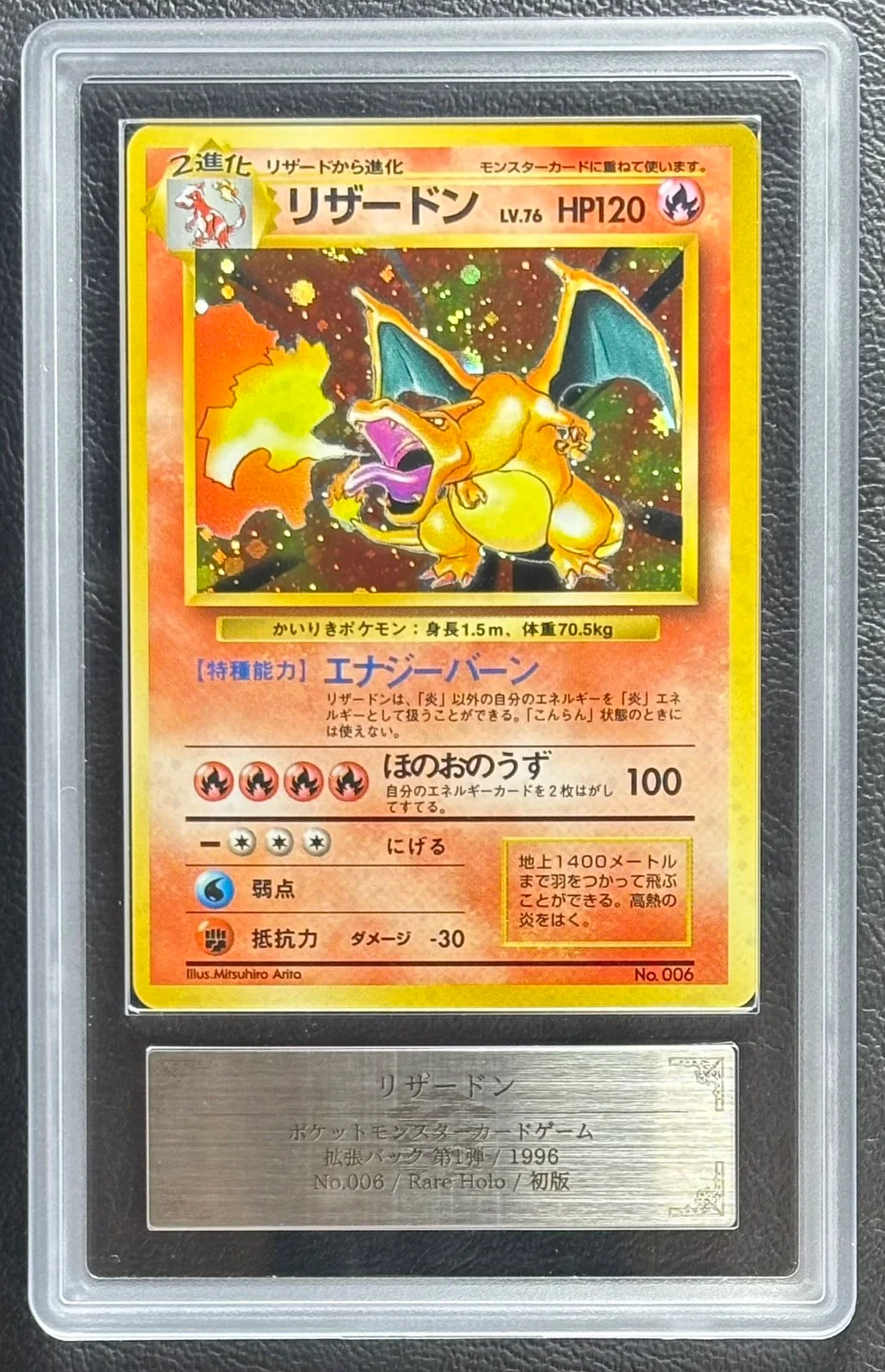
CHARIZARD-HOLO NO RARITY SYMBOL 1996 POKEMON JAPANESE BASIC
Pokémon Trading Card Game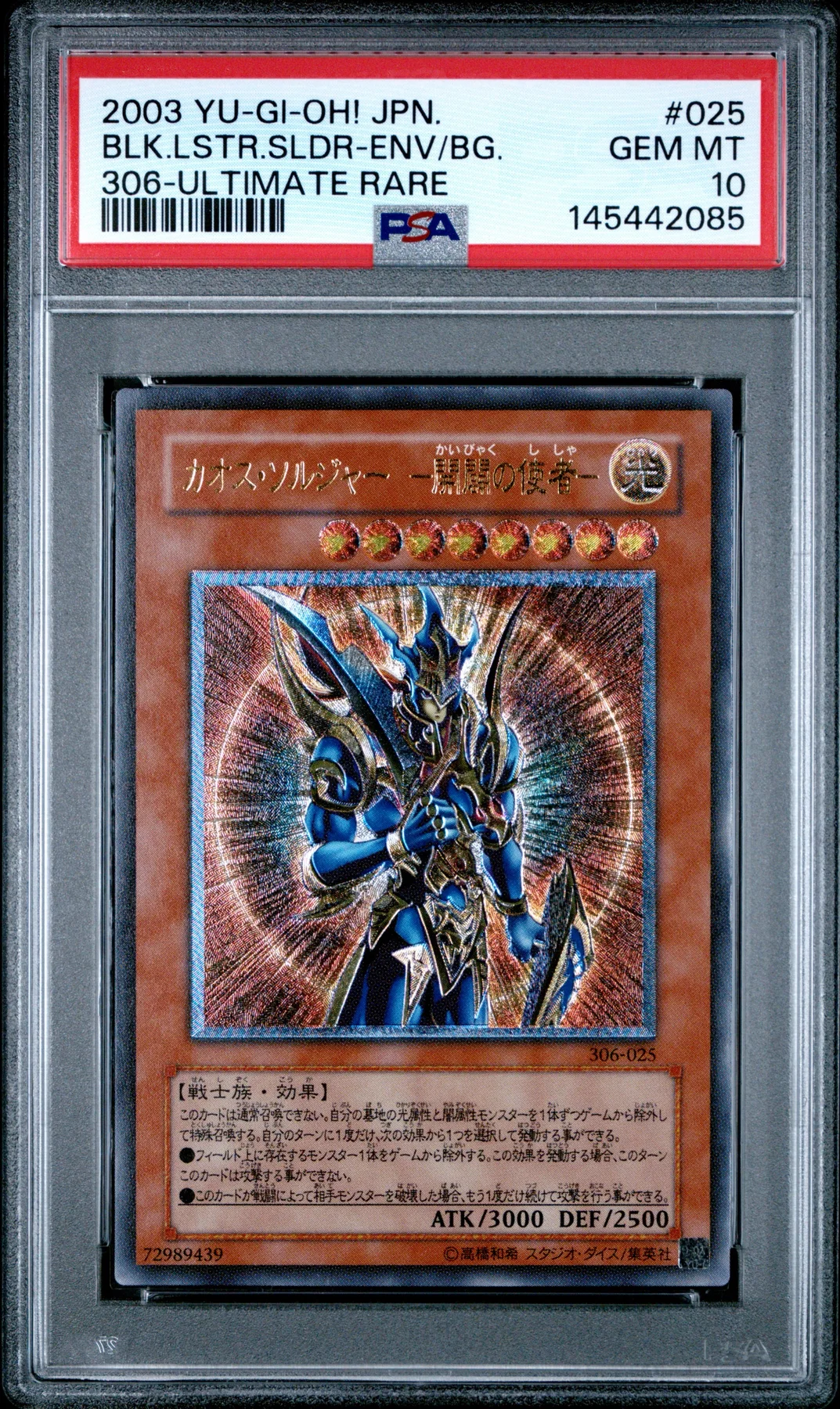
PSA10 YU-GI-OH! JAPANESE CONTROLLER OF CHAOS #025 BLK.LSTR.SLDR-ENV/BG. 306-ULTIMATE RARE
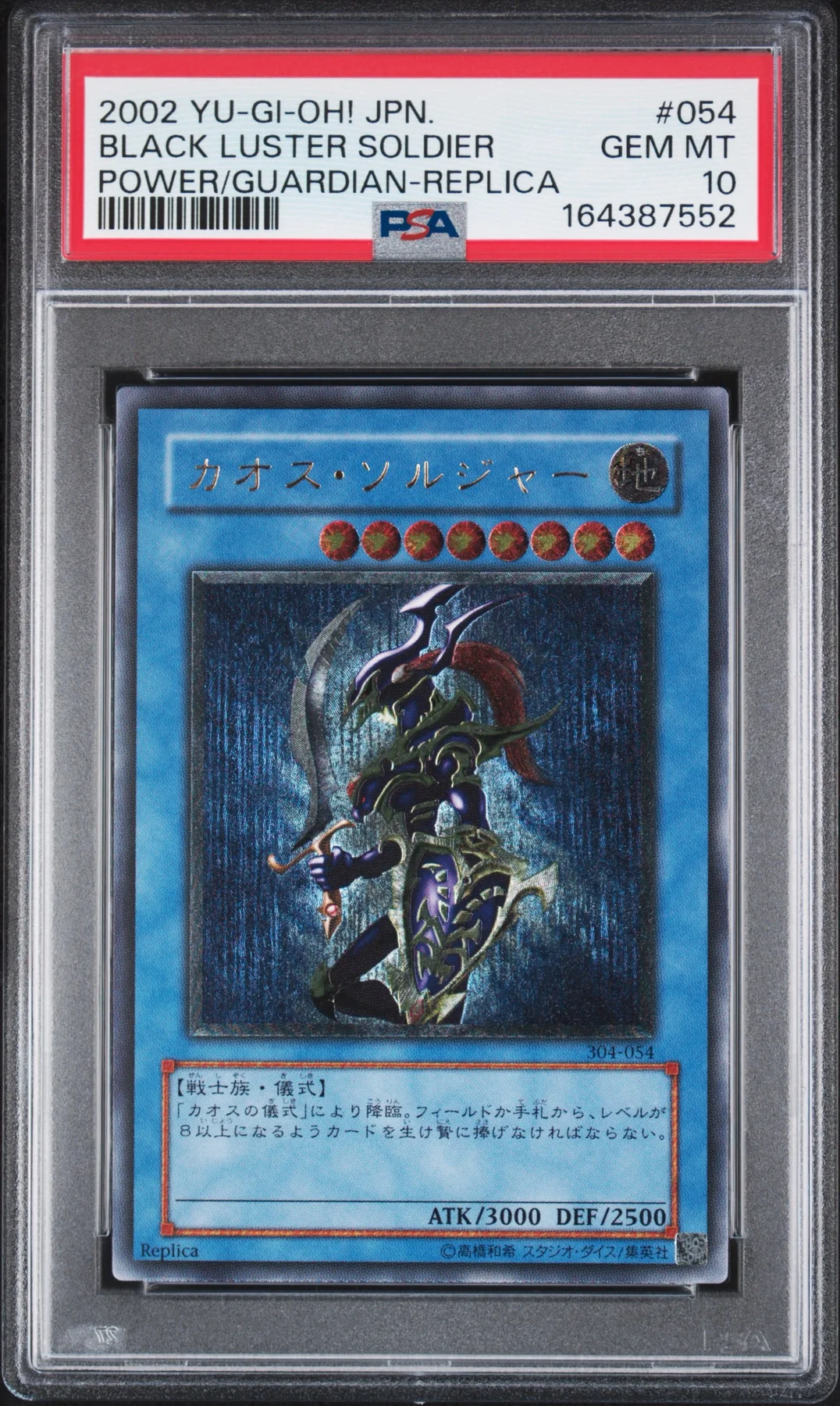
PSA10 YU-GI-OH! JAPANESE POWER OF THE GUARDIAN #054 BLACK LUSTER SOLDIER POWER/GUARDIAN-REPLICA
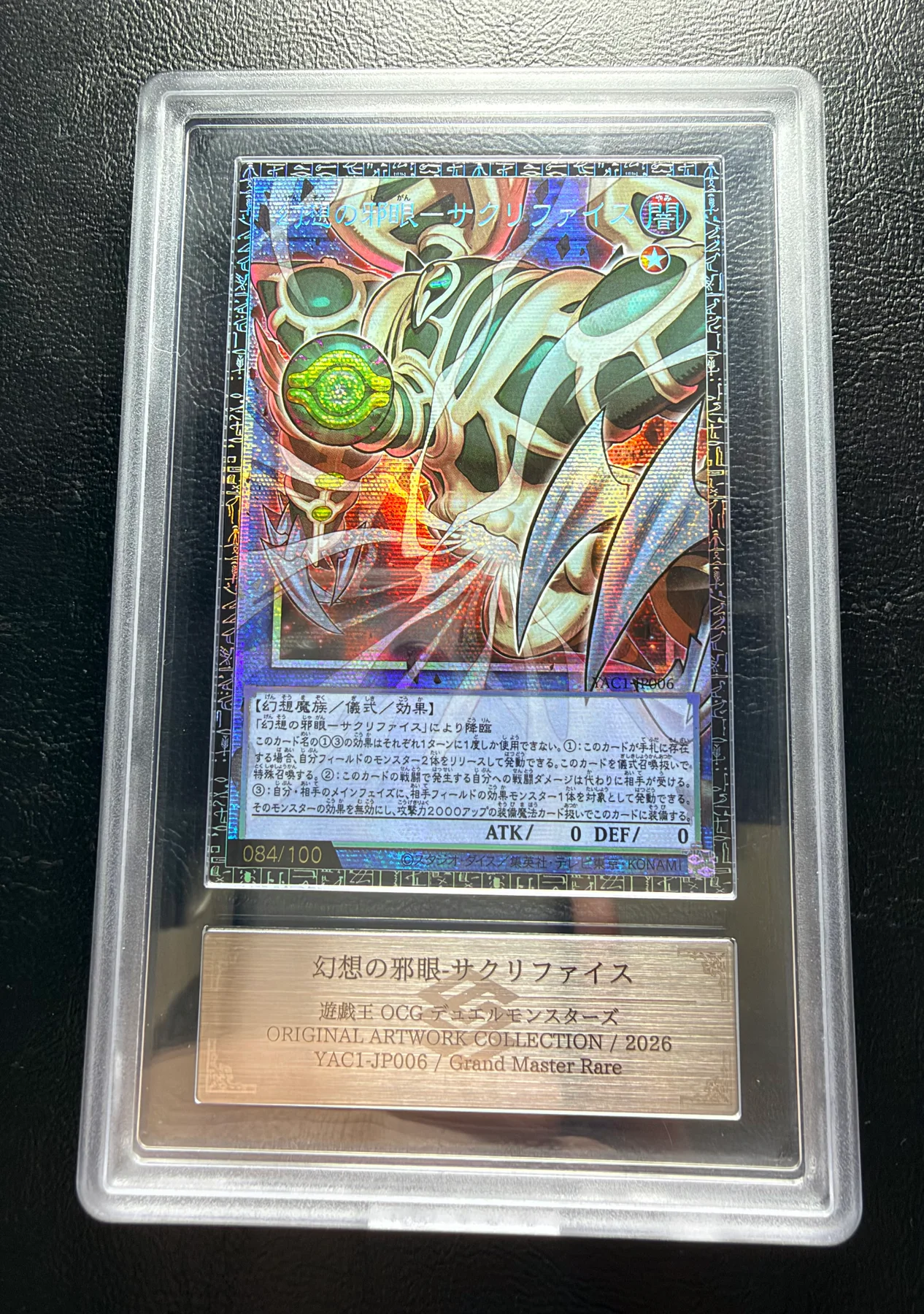
ARS10 Yu-Gi-Oh! Relinquished the Wicked Eye of Illusion YAC1-JP006 Grand Master Rare GMR Japanese Serial Numbered 084/100
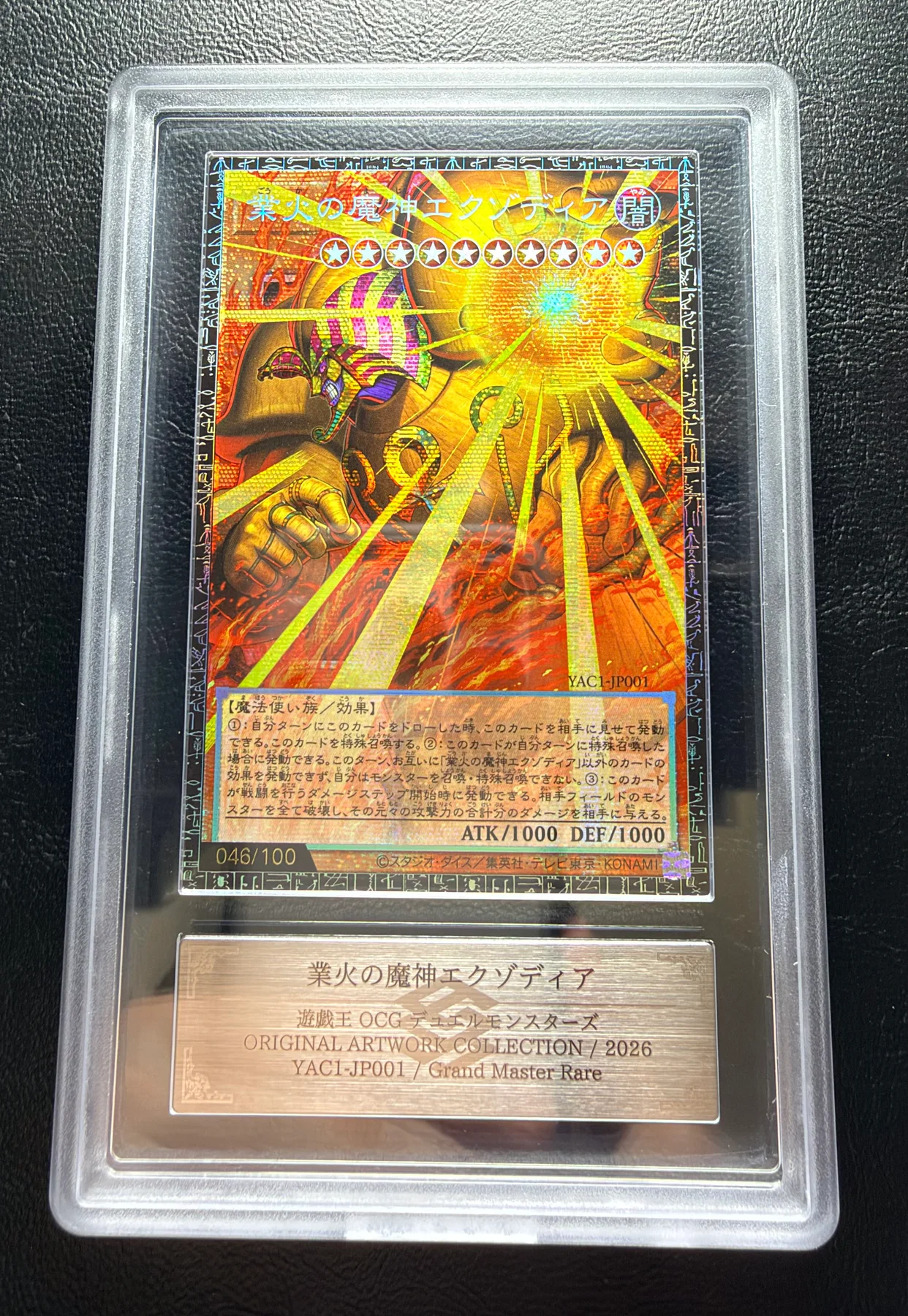
ARS10 Yu-Gi-Oh! Exodia the Obliterator YAC1-JP001 Grand Master Rare GMR Japanese Serial Numbered 046/100
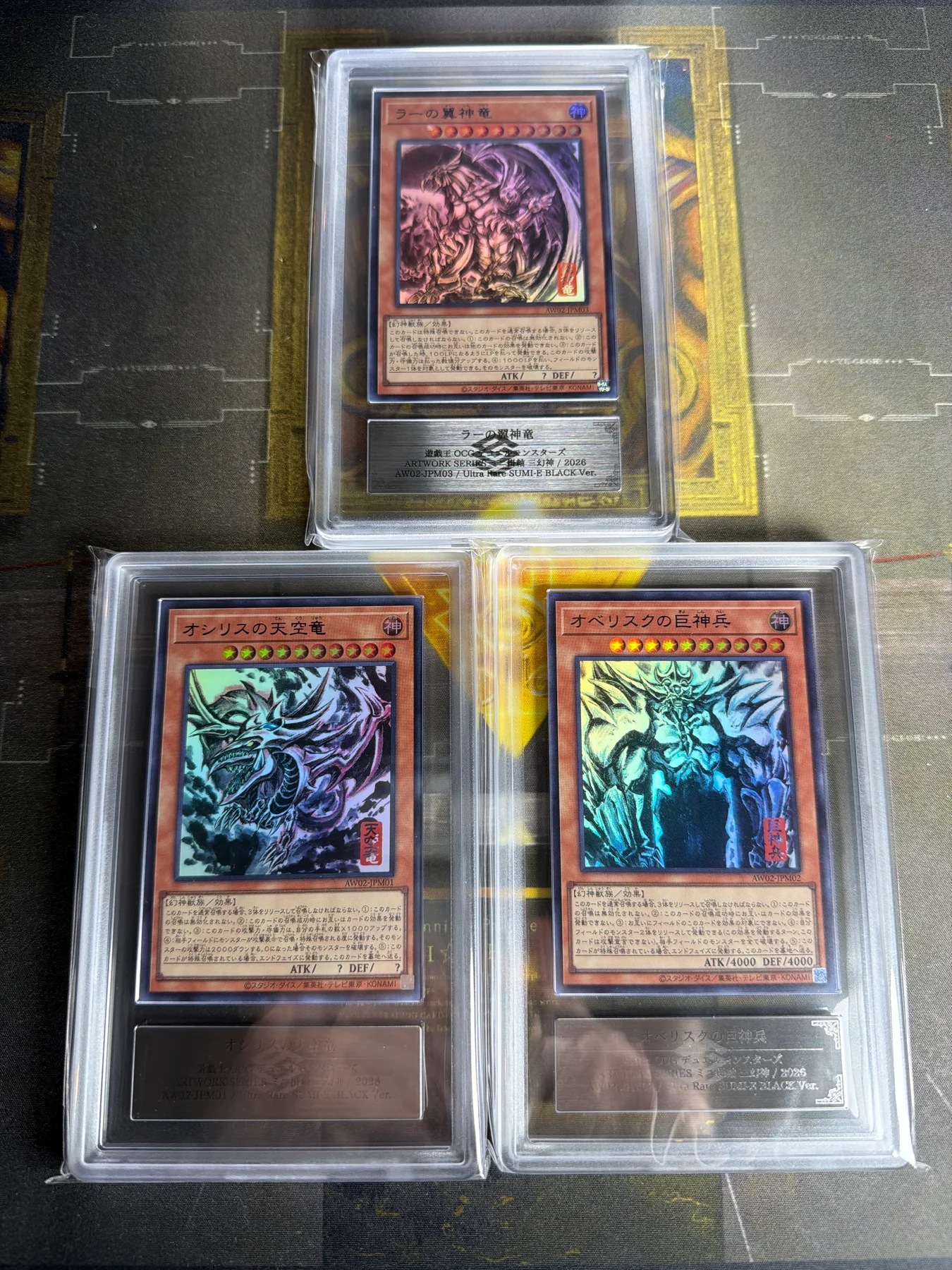
【3-Card Set】ARS10 YU-GI-OH! JAPANESE ARTWORK SERIES MINI HANGING SCROLLS: EGYPTIAN GODS
03 / BEYOND THE NUMBER
The card.
The condition.
The confidence to choose.
Grading brings a second set of eyes to a collectible. Understanding the result helps you choose the card you want.
Authentication and condition grading answer different questions: what the card is, and how its condition is assessed. A numerical score belongs to a particular service’s standards. It does not replace looking at the individual card.
- Identify the card, edition and language.
- Read the grading company, score and notations.
- Compare front, back and holder photographs.
- Verify certification details with the grading service.
04 / THE SMALL DETAILS MATTER
What can affect
a card’s assessment?
Scratches, whitening and other condition issues deserve a closer look. The images below are simulated condition examples based on an actual Blue-Eyes White Dragon card. This is a viewing checklist, not a formula for predicting a score.
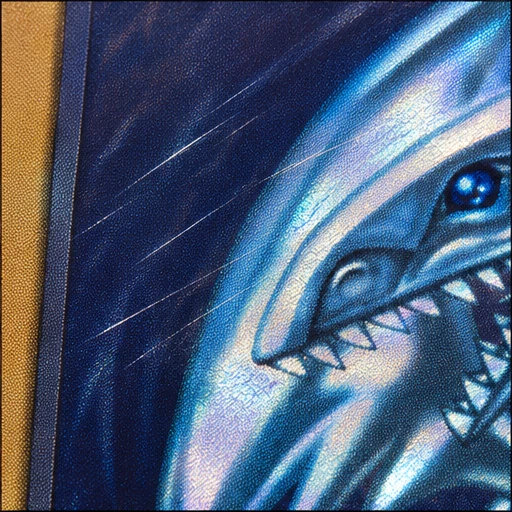
Surface scratches
Tilt the card under soft light. Look for hairline scratches, scuffing and marks on foil areas. Distinguish a mark on the holder from one on the card.
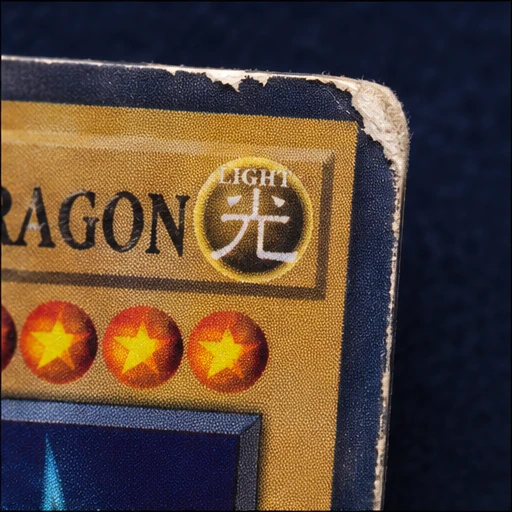
White edges & corners
Inspect all four corners and the entire edge, especially on the back. White spots can reveal wear or loss of the printed surface; size and location matter.
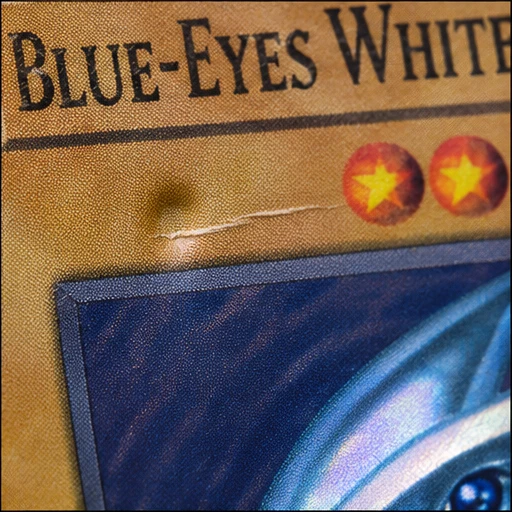
Dents & creases
Check for pressure marks, folds and wrinkles from more than one angle. A small indentation may be less obvious in a straight-on photograph.
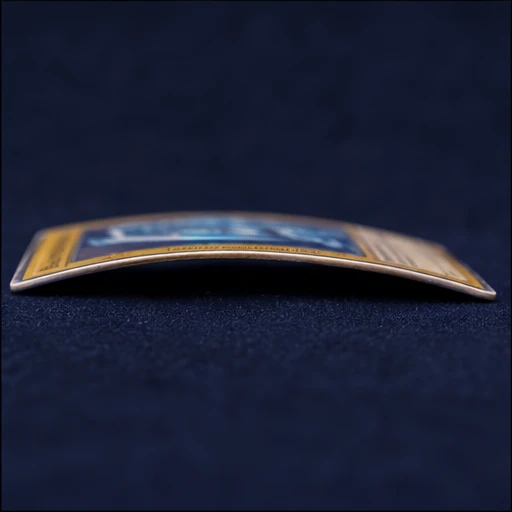
Warping & curvature
Look from the side for bowing or an uneven profile. Curvature alone does not establish a particular grade; distinguish it from folds and ask for additional photos.
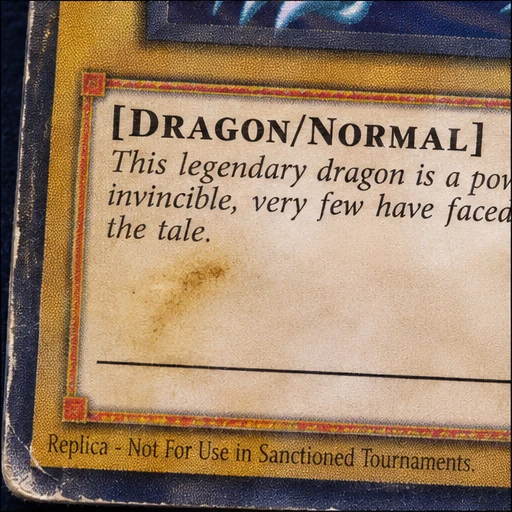
Stains & discoloration
Check both sides for dirt, staining and changes in colour. Ask whether a visible mark belongs to the card or the outside of the holder.
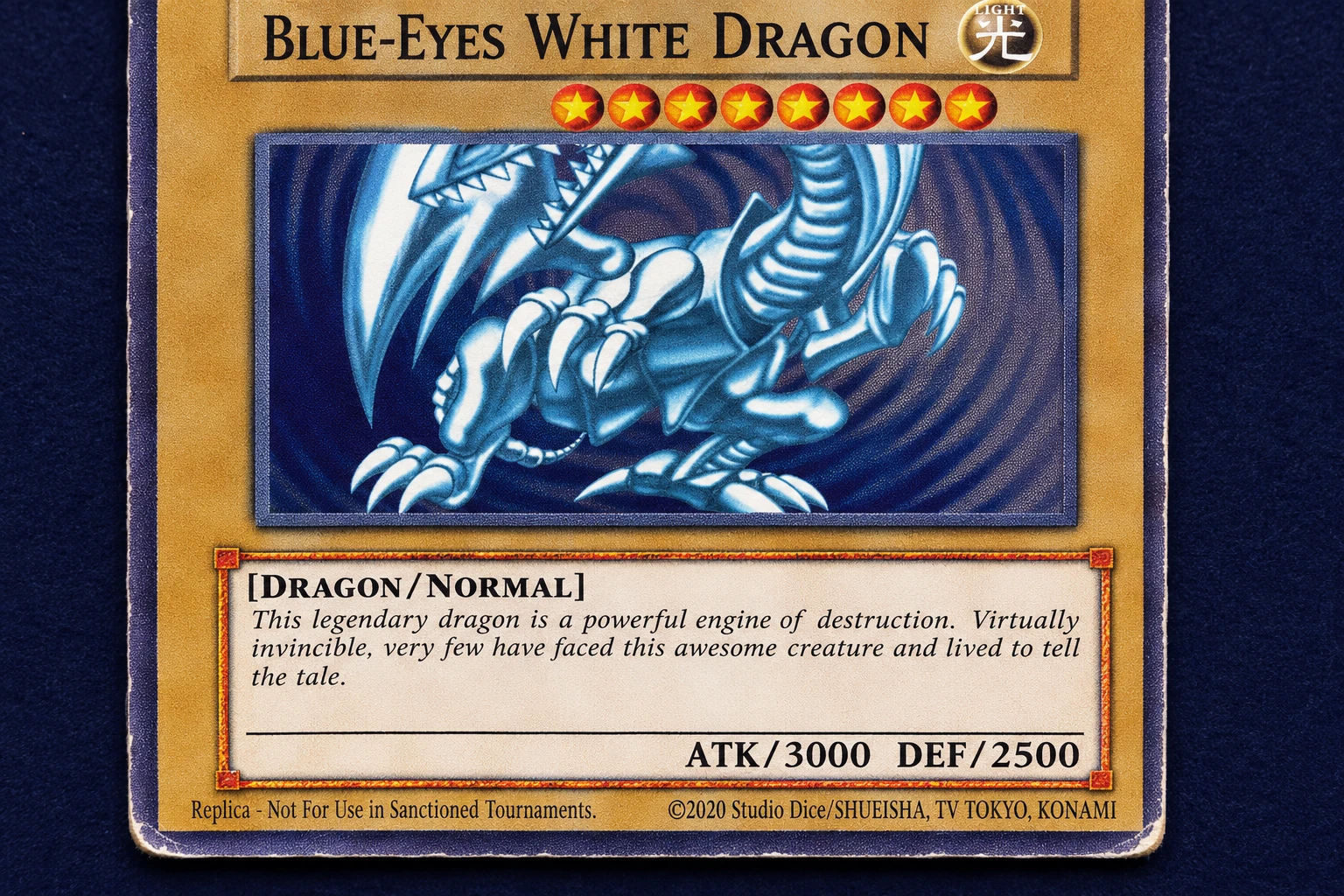
Centering & print
Compare the borders and image position. PSA considers centering; ARS states printing alignment is outside its deductions. Manufacturing features and later damage need careful interpretation.
For ungraded cards, request clear front, back, corner and side-angle photos. For graded cards, review the holder’s condition too. Avoid polishing, colouring or pressing a card to change its appearance.
Ask about a card’s condition05 / CARE AFTER THE GRADE
Protect the holder.
Enjoy the collection.
An outer protective case is a separate layer around a compatible sealed grading holder. Find the fit for yours.
Confirm the grading company, holder version and supported dimensions. Rely on UV filtering, impact resistance or other performance claims only when stated in the individual listing. Keep your collection away from direct sunlight, heat and moisture.
Read our protective case buying guide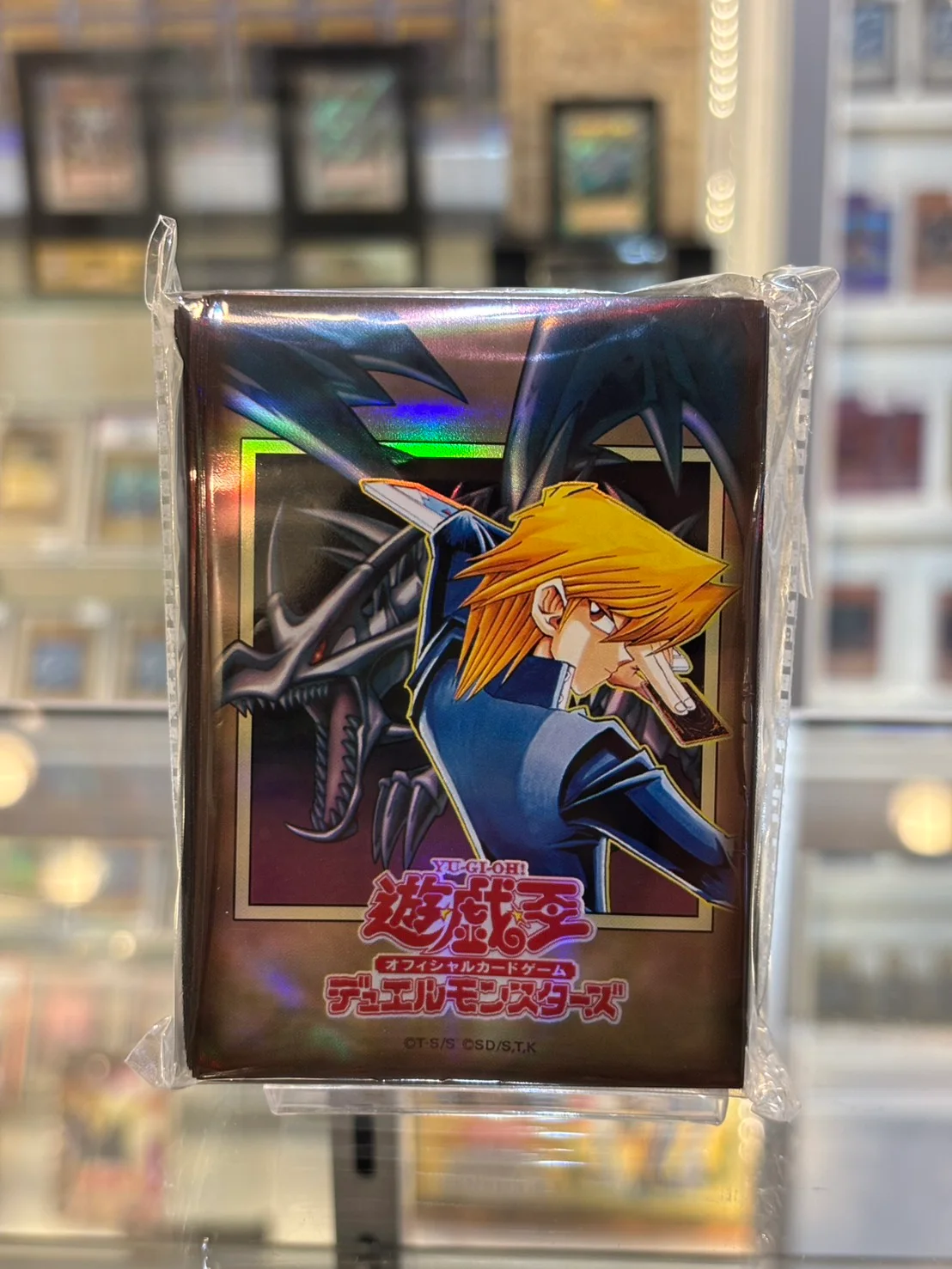
Yu-Gi-Oh! ORIGINAL ARTWORK DUEL SET Joey Edition Card Sleeves 100pcs Only
Yu-Gi-Oh! Duel Monsters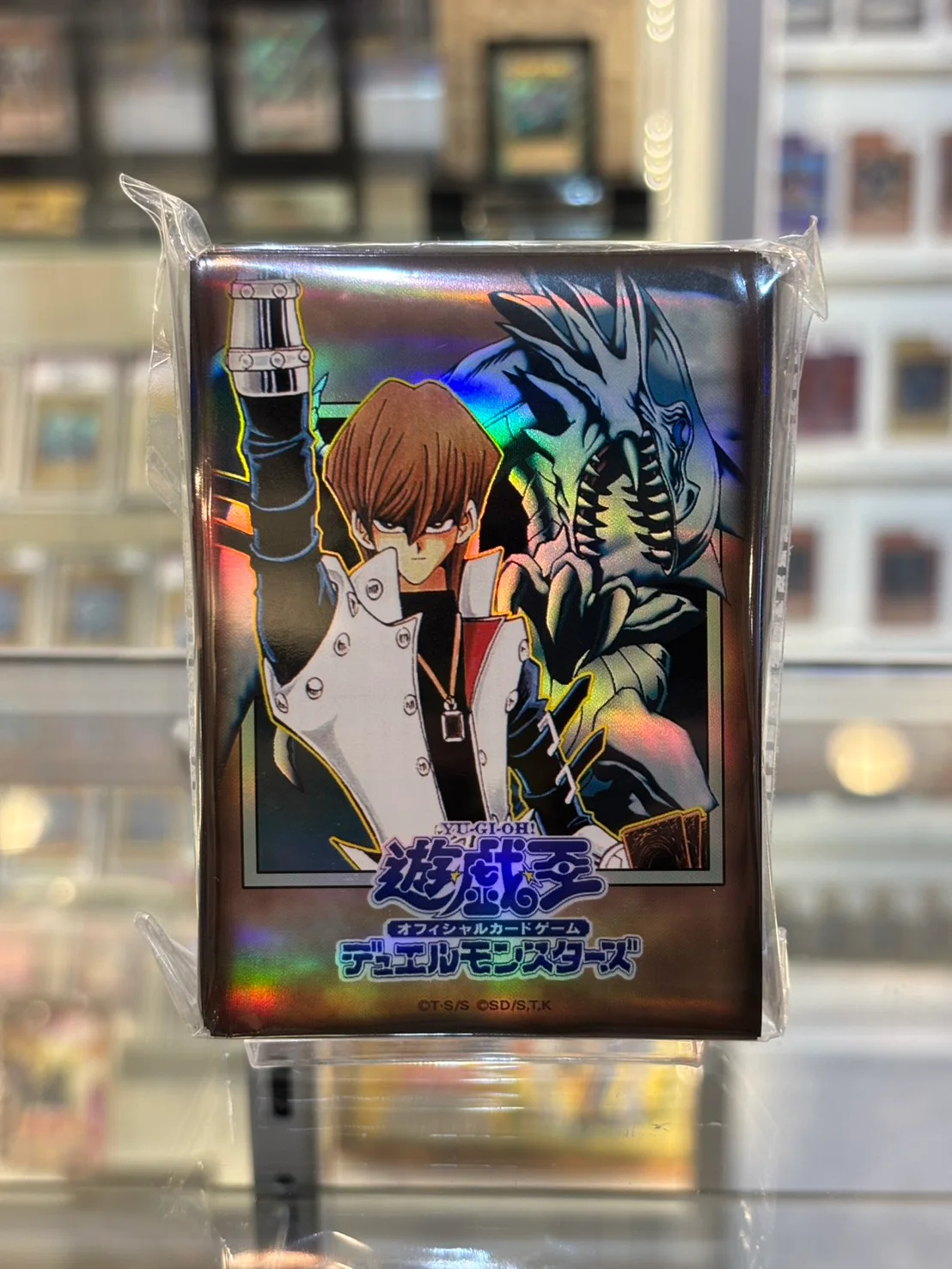
Yu-Gi-Oh! ORIGINAL ARTWORK DUEL SET Kaiba Edition Card Sleeves 100pcs Only
Yu-Gi-Oh! Duel Monsters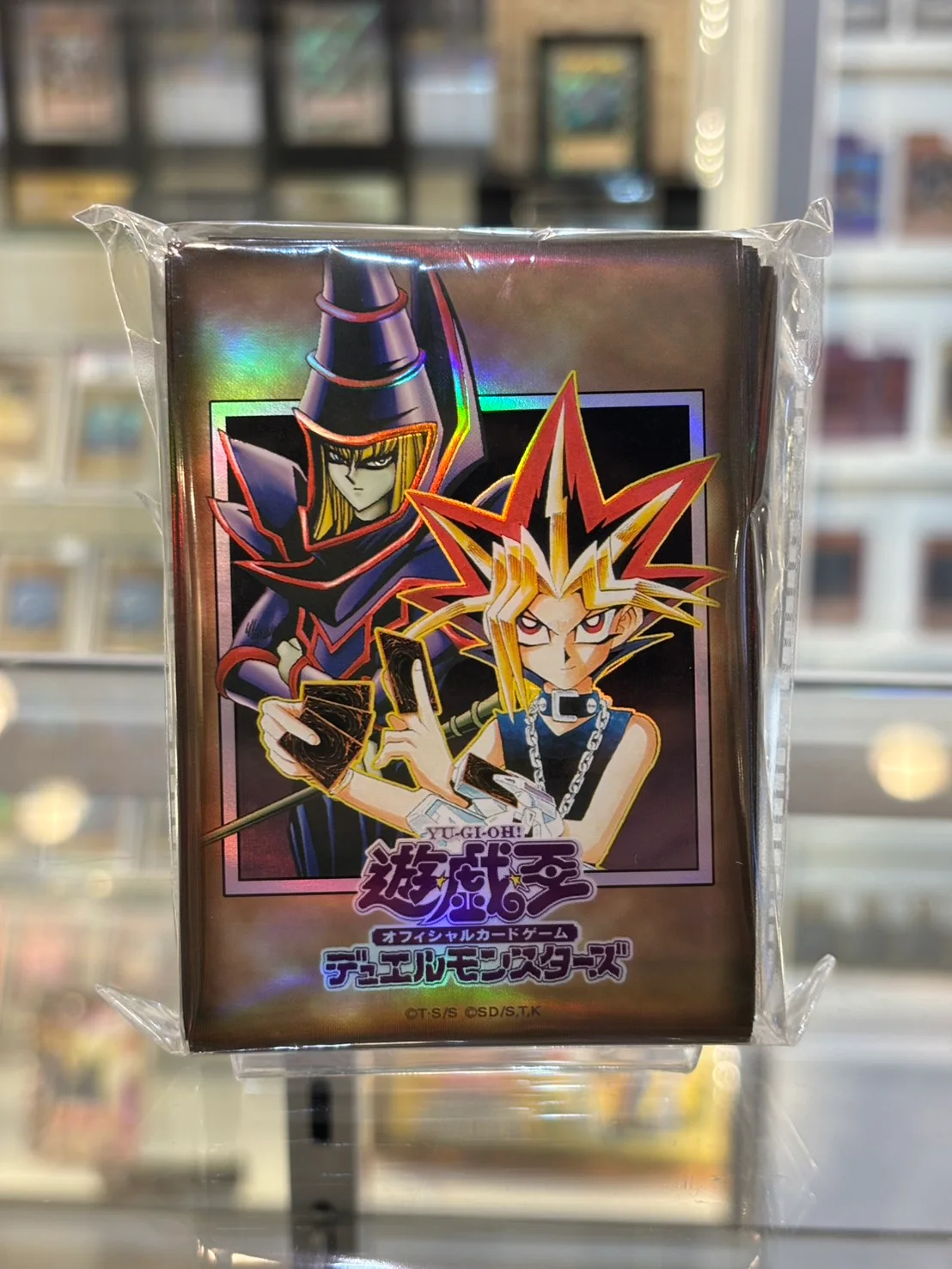
Yu-Gi-Oh! ORIGINAL ARTWORK DUEL SET Yugi Edition Card Sleeves 100pcs Only
Yu-Gi-Oh! Duel Monsters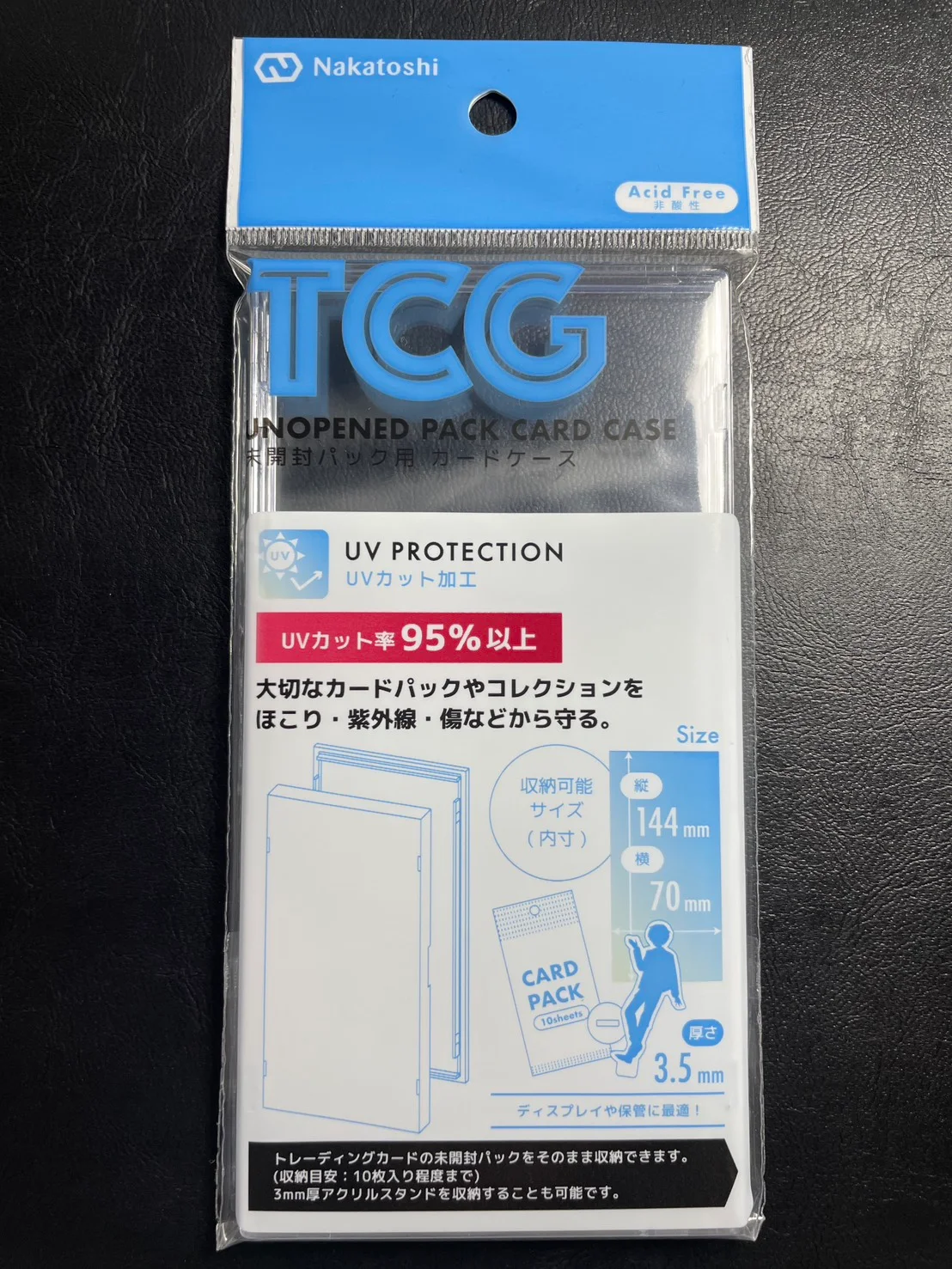
TCG Unopened Pack Card Case
THE COLLECTOR’S NOTES
Before your
next find.
Know what you are looking at.
Ask when a detail matters.
What is card grading?
An independent grading service authenticates a card and evaluates its condition under its own standards. The holder and label record the result. Read the company, score and any notation together, then review the actual card photos.
Does a high grade mean a flawless card?
A grade describes the result under that company’s standards. Minor imperfections may still be possible. Look at the front, back and holder, and ask us about details that matter to your purchase.
Can PSA and ARS grades be converted?
There is no direct conversion. Each service applies its own criteria; ARS excludes printing alignment such as centering from deductions. Compare the individual card and its photos rather than treating the same number as equivalent.
Does whitening or a scratch always reduce the score by a fixed amount?
No fixed deduction is promised here. The location, extent and severity of a defect, together with the company’s criteria, affect the assessment. A photo alone cannot guarantee a grade.
Is warping the same as a crease?
No. Curvature and a crease or indentation are different observations. Request side-angle photos when buying an ungraded card. Do not assume that every curve has the same grading effect, and do not try to flatten or alter a card to improve a grade.
Do protective cases fit every PSA or ARS holder?
No. Check the exact holder version and the case listing’s supported models, dimensions and instructions. An outer case surrounds a compatible sealed grading holder. It does not change the card’s grade.

FOR COLLECTORS. FROM JAPAN.
Choose with care.
Collect with confidence.
Explore high-grade cardsBrowse all cardsStandards checked 3 November 2026. PSA grading standards · ARS grading standards · PSA holder photo · ARS holder photos & care. Standards may change; consult each service for current details.
PSA and ARS are trademarks of their respective owners. ADORENALINE is an independent retailer. Illustrations and reference photographs do not indicate current stock or endorsement.