


Pokémon Cards from Japan

RARE CARD ARRIVAL
First-print Kairiki Charizard
This Charizard LV.76 comes from the first Japanese Pokémon expansion, released in 1996. Charizard spreads its wings and breathes fire against a holographic background that shifts as it catches the light.
Card details and grading
- Where the name Kairiki comes from
- The first printing mistakenly classified Charizard as the Superpower Pokémon, or Kairiki Pokémon, beneath the artwork. Later printings corrected it to the Flame Pokémon.
- How to spot the first printing
- This card has the original Japanese card back. Another clue is the lower-right corner on the front, where the first printing has no rarity star.
- Grade
- This copy was graded ARS 10. See the listing for photographs of the actual card and its current price.
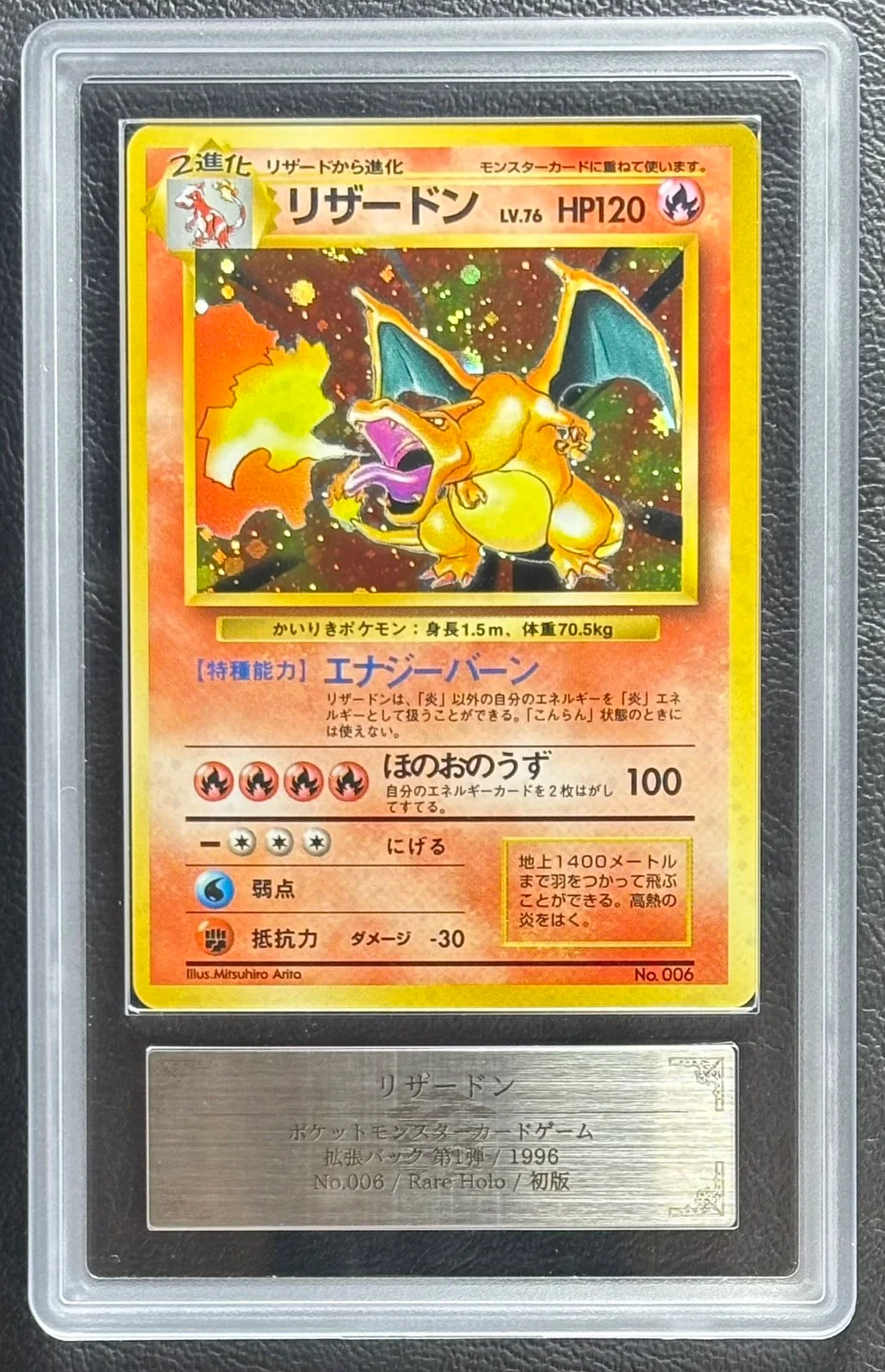
CHARIZARD-HOLO NO RARITY SYMBOL 1996 POKEMON JAPANESE BASIC
Pokémon Trading Card GameTHE COLLECTION
Find your next collectible
Browse current listings for your favorite Pokémon or discover artwork you want to add to your collection.

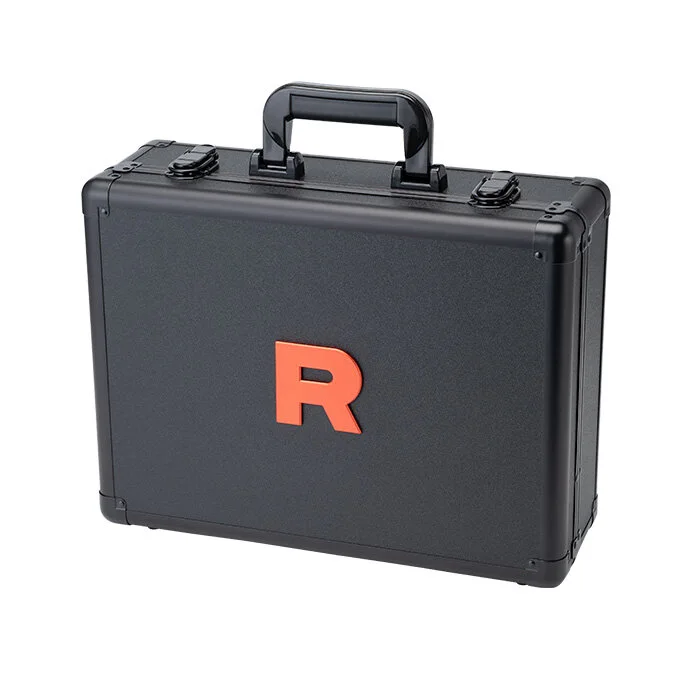
Glory of Team Rocket Attache Case Set
Pokémon Trading Card Game - Scarlet & Violet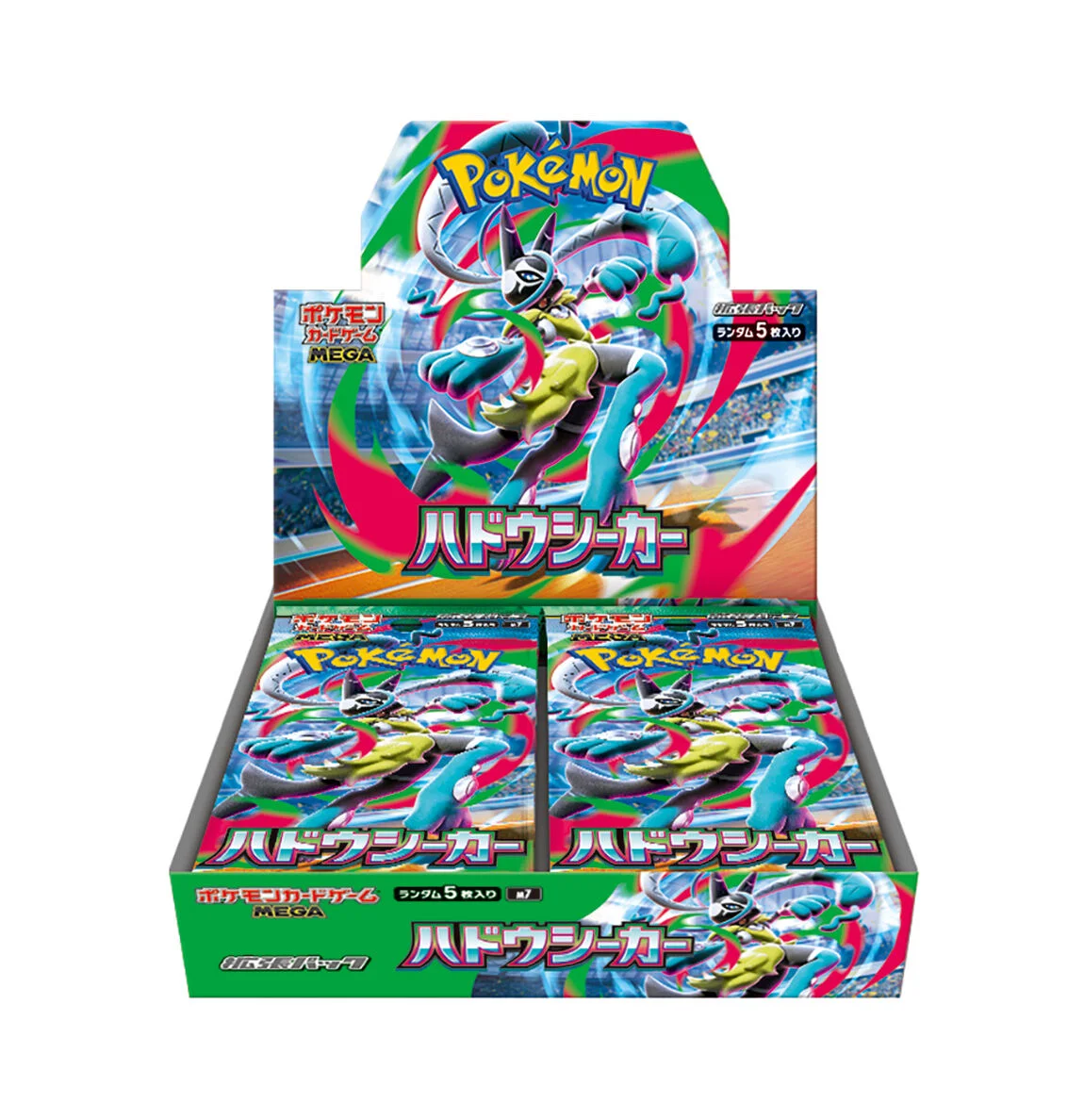
Aura Seeker BOX
Pre-order · Ships on or after 2026-11-27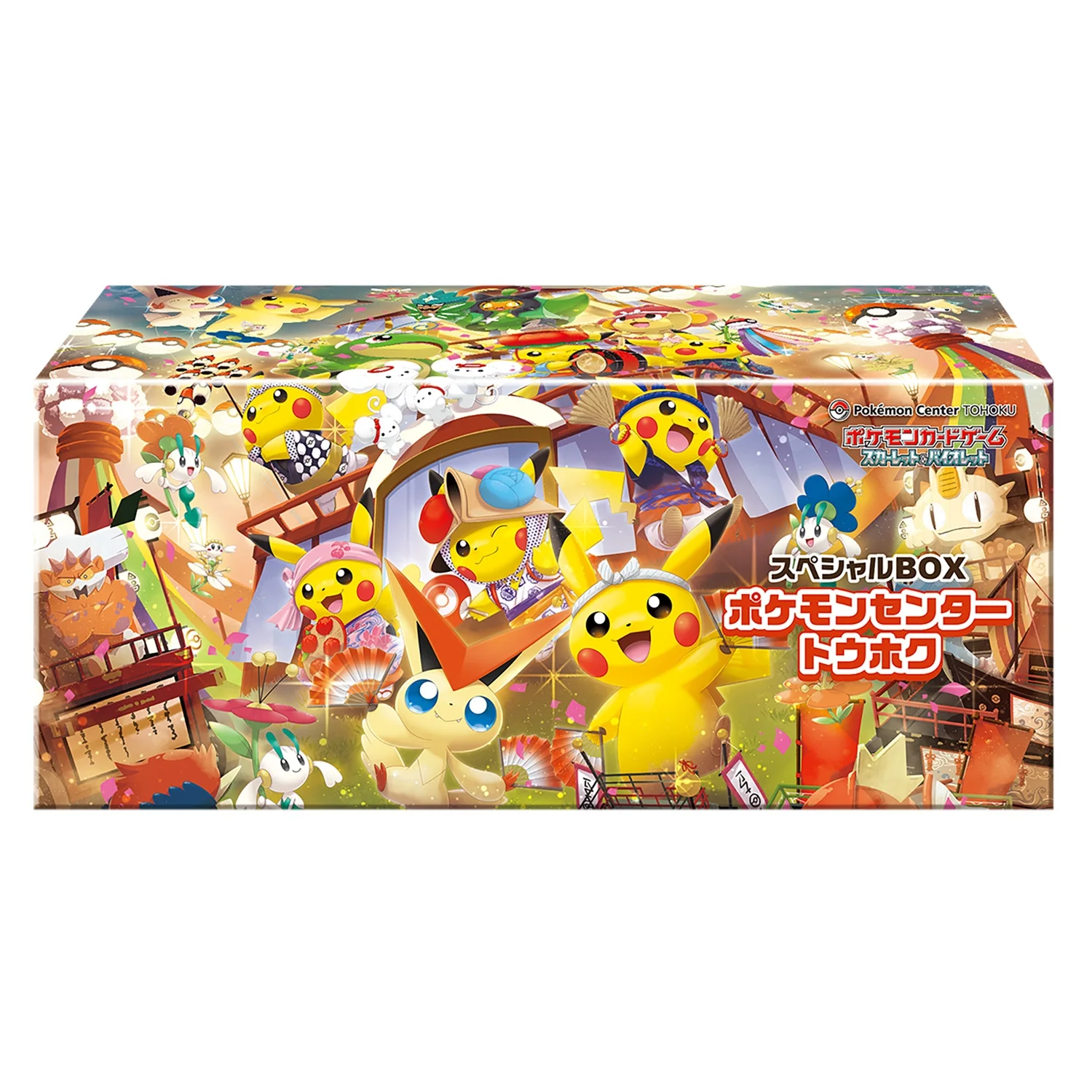
Special BOX - Pokémon Center Tohoku
Pokémon Trading Card Game - Scarlet & Violet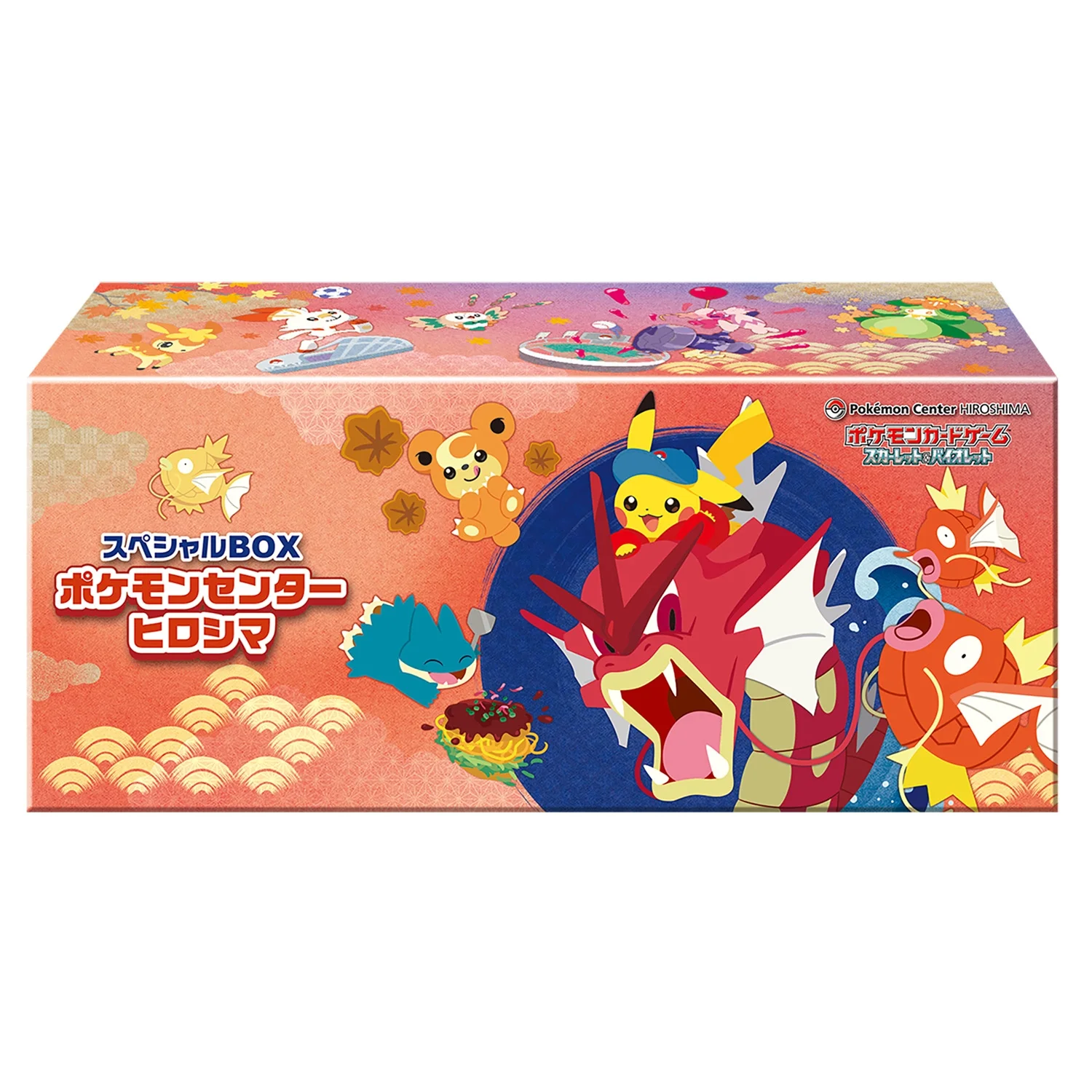
Special BOX - Pokémon Center Hiroshima
Pokémon Trading Card Game - Scarlet & Violet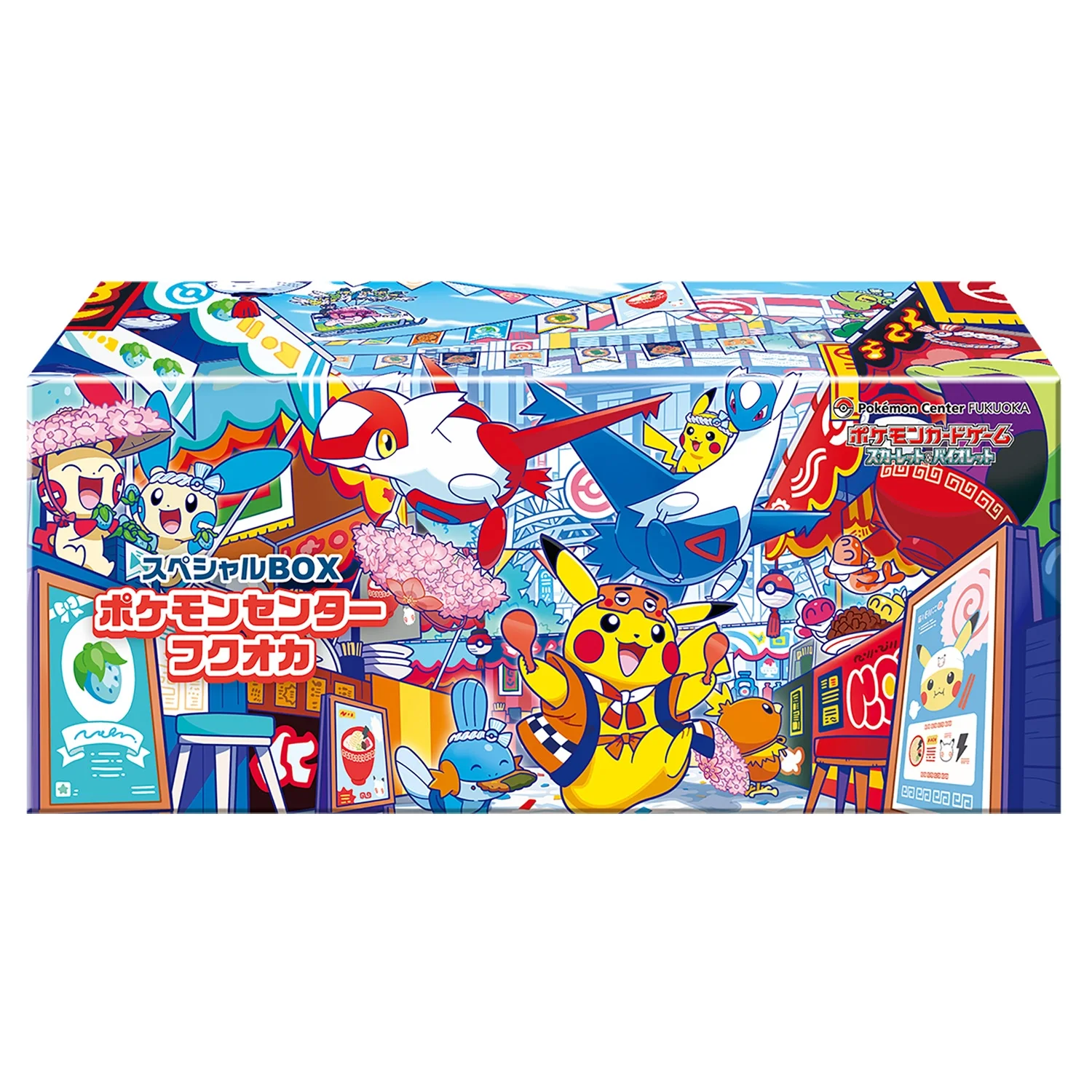
Special BOX - Pokemon Center Fukuoka
Pokémon Trading Card Game - Scarlet & Violet
30th CELEBRATION BOX
Pokémon Trading Card Game - MEGA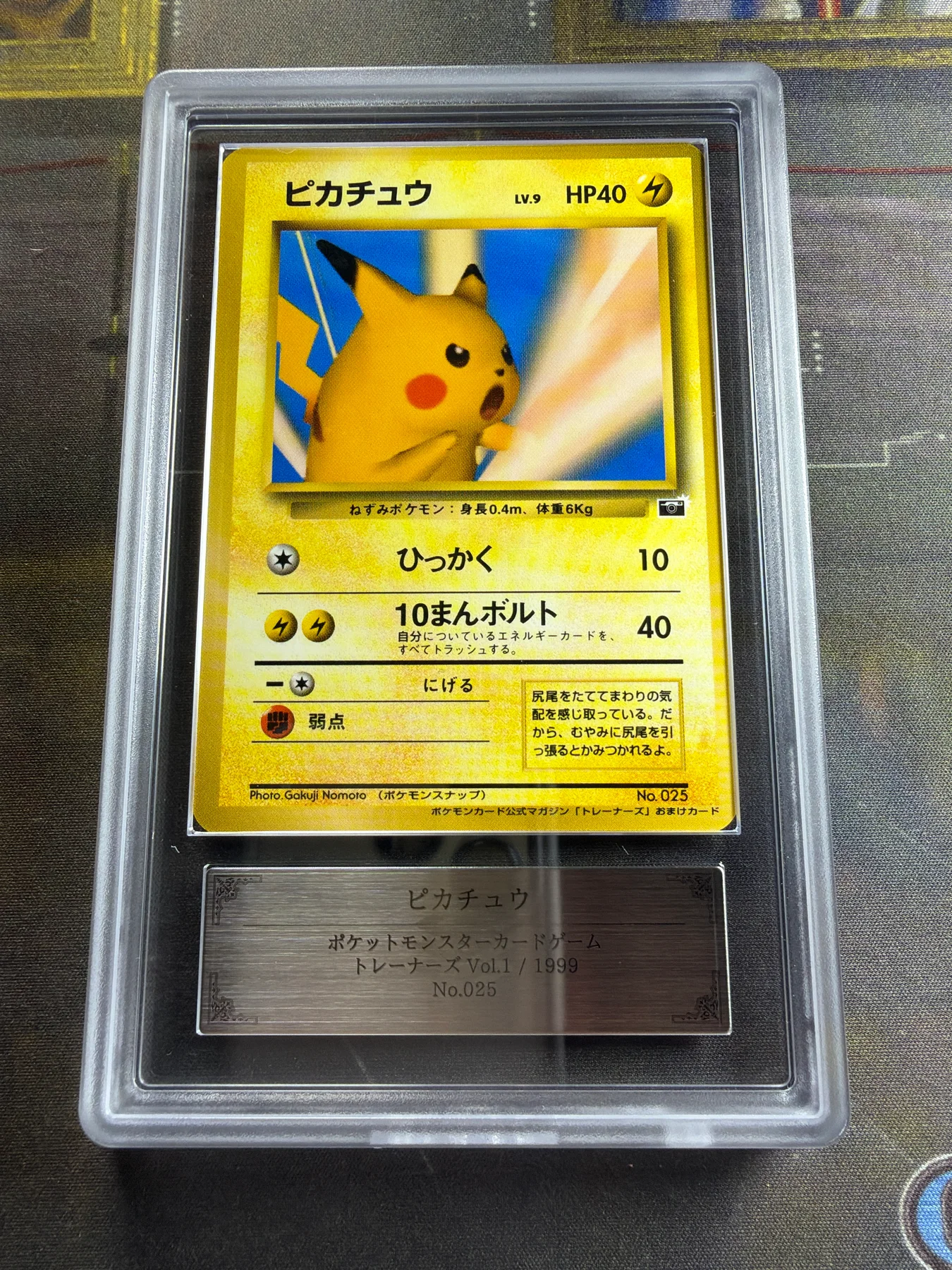
1999 Pokémon Snap Pikachu – Trainers Vol. 1 No. 025 – ARS 9
THE JOY OF COLLECTING
The joy of collecting Pokémon cards
A collection can start with one favorite Pokémon. Set cards from different eras side by side and see how artists have interpreted the same character.

Collect by artwork
Some cards capture the energy of a battle. Others show Pokémon in quiet, everyday moments. Look at how the artist uses light and scenery to give a familiar Pokémon a different personality.

Build a binder around your favorites
Put Eevee in the center of a binder page and surround it with all eight evolutions to see the colors and artwork associated with each type. An evolution line makes a natural theme for a binder spread.

Compare cards across eras
On the 2010 Ho-Oh, the artwork sits within a distinct frame. On the 30th-anniversary Mewtwo ex Special Art Rare, patterns and foil extend across the card. Side by side, the two show how card layouts have changed.

Understand collector value
First printings and limited releases can command high prices depending on the edition and condition. When comparing prices, look for completed sales of the same edition, language and grade. Prices and ease of resale vary with demand.
COLLECTOR’S GUIDE
Pokémon card collecting FAQ
How can I tell cards with the same name apart?
Compare the card number, set and language with the listing photos to identify the printing you want.
Where can I check a card’s condition?
Check the photos and condition notes on the product page. Graded card listings also show the grading company and grade.
What does “old back” mean?
Collectors use this term for the original Japanese Pokémon card back design. To identify a first printing, check the markings and wording on the front as well as the back.
What should I look for in a graded card?
Check the grading company, grade, card name and number on the label. Standards vary by company, so review the listing photos for the condition of both the card and the holder. Read the graded cards guide
How can I tell Japanese and English editions apart?
Check the language on the product page and read the card name and attacks in the listing photos. The same artwork can have different card numbers across languages or sets.
What do AR and SAR mean?
These are rarity codes used on Japanese cards. AR stands for Art Rare and SAR stands for Special Art Rare. Look near the card number in the listing photos to find the code.
How should I store my cards?
Use sleeves and store your cards away from direct sunlight and moisture. Choose binder pockets with enough room to slide cards in and out without bending them or catching the corners.
